



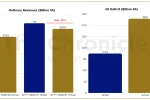



Every time the government borrows, it makes a promise to pay that money back, with interest, on a schedule. The debt-service-to-revenue ratio measures how much of the government’s actual income each year is consumed by keeping those promises, before a single shilling goes toward schools, hospitals, or roads.
In simple terms: if the government collects Sh100 in revenue and spends Sh75 of it repaying loans and interest, its debt-service-to-revenue ratio is 75 per cent. Kenya’s stood at 75.3 per cent as of December 2025.
Why It Matters
Revenue is not the same as fiscal room. A government can post record tax collections, as the KRA did this year, and still have almost nothing left to spend once debt obligations are honoured. The ratio strips away the headline number and asks a sharper question: after the state pays what it owes, what’s actually left to govern with?
The IMF recommends a threshold of around 30 per cent as sustainable for developing economies. Kenya is currently servicing debt at more than double that. The gap between the recommended ceiling and the lived reality is a rough proxy for how constrained the Treasury is when climate shocks, global rate hikes, or election-year spending pressure hit unexpectedly.
How It’s Calculated
The ratio generally relies on two figures published annually:
- Total revenue: What KRA and other government agencies collect before any borrowing.
- Total debt service: Repayments on domestic and external debt, due within the same period.
Divide the second by the first, and the result is the ratio.
What a High Ratio Actually Costs
A high debt-service ratio doesn’t announce itself the way a currency crash does. Instead, it shows up indirectly: counties waiting longer for transfers, infrastructure projects stalling, public sector wage negotiations turning tense, and new borrowing becoming necessary simply to service old borrowing.
A government already spending three-quarters of its revenue on debt has little room to respond to a supply shock, a bad harvest, or a sudden pullback of foreign capital.
The Bigger Picture
A rising stock market, a growing GDP, and a high debt-service ratio can all be true at the same time, because they measure different things on different timelines. Understanding the ratio is what lets us tell the difference between an economy that is healthier and a state that has more room to act.