




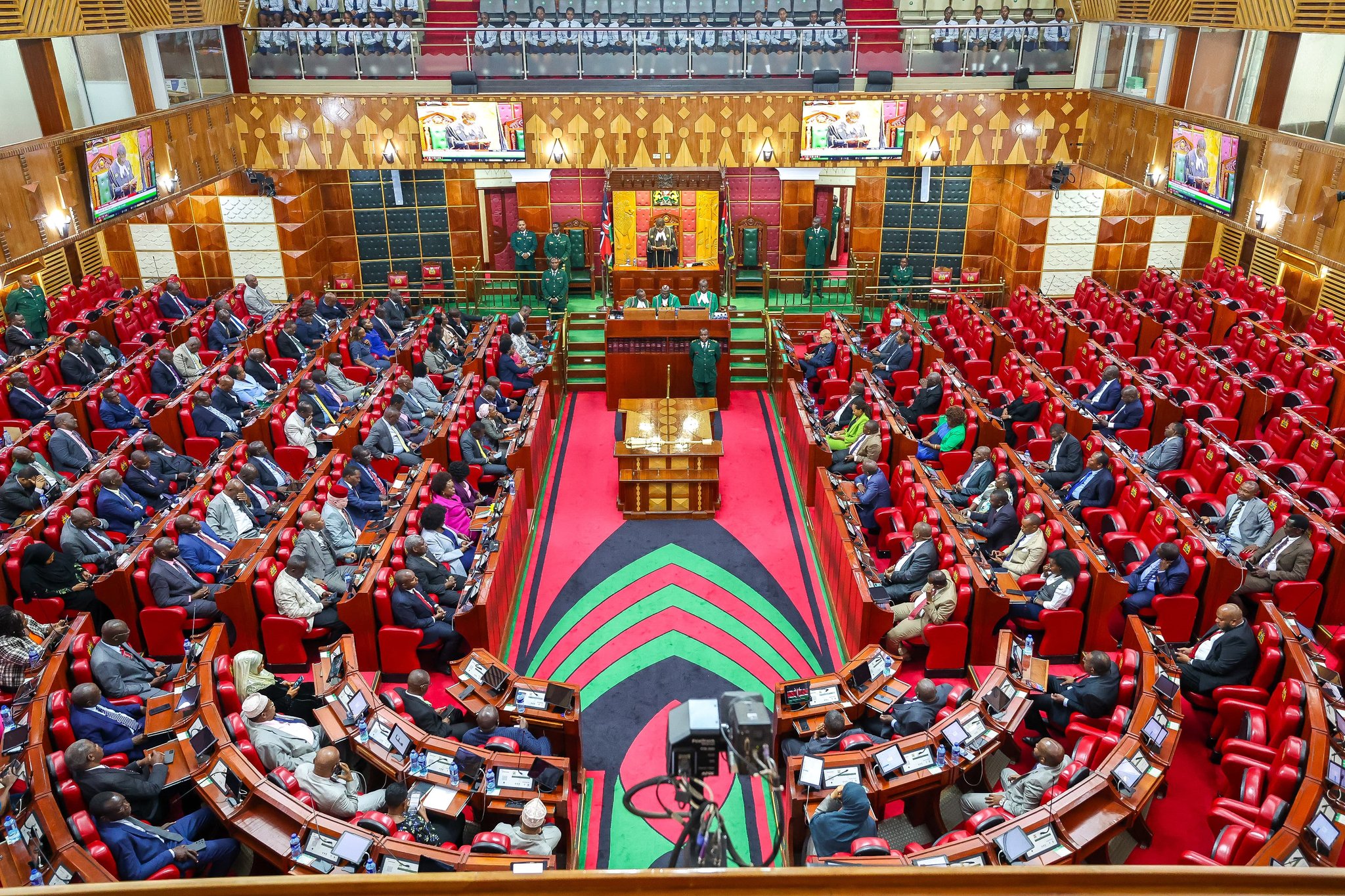
In a setback for the Executive, the National Assembly on Thursday rejected the appointment of four nominees to the National Government Constituencies Development Fund (NG-CDF) Board, citing concerns over their qualifications and suitability for the role
The decision followed a heated debate in the House, during which several MPs argued that the nominees lacked the necessary expertise and experience to manage the multi-billion-shilling fund, which plays a critical role in grassroots development projects across constituencies.
Lawmakers urged the government to restart the recruitment process, emphasising that the positions should go to individuals of proven integrity and competence.
The rejection comes after the National Assembly’s Select Committee on NG-CDF, chaired by Eldama Ravine MP Hon. Musa Sirma, vetted the nominees in mid-June.
The committee had tabled its report, but the full House ultimately declined to approve the appointments under Section 15 of the NG-CDF Act and related public appointments laws.
Background of Controversy
The nominations have been mired in controversy since May 2026, when allegations emerged of improper interference by State House in the recruitment process.
According to documents and claims raised by Consumer Federation of Kenya (COFEK) Secretary General Stephen Mutoro, Treasury Cabinet Secretary John Mbadi initially forwarded four names to Parliament following a competitive recruitment and vetting by the Public Service Commission (PSC): Ms. Komora Yvonne Nsunsu, Ms. Manyaga Yvonne Boyani, Mr. Mutua Fidelis Kieti, and Mr. Ahmed Diriye Mohammed.
However, a subsequent “concurrence” letter from State House, issued by Deputy Chief of Staff Josphat Nanok, reportedly replaced Mr. Ahmed Diriye Mohammed with Mr. Morris Putita Kaaka while keeping the other three names.
Critics described this as a “State House appointment scam,” arguing that the concurrence stage is meant only for procedural verification, not for substituting candidates selected through a merit-based process.17
Mutoro and others called for investigations by the Ethics and Anti-Corruption Commission (EACC) and the Director of Public Prosecutions (DPP), questioning whether the move undermined transparency pledges by the administration
Neither State House nor the Treasury has ever issued a public response to the name-swapping claims.
Implications
The NG-CDF Board oversees the allocation and utilisation of funds intended for constituency-level projects in education, health, security, and infrastructure.
With the fund facing ongoing legal and policy scrutiny, including past constitutional challenges, the rejection highlights broader concerns about governance, accountability, and political interference in public appointments.
Under the NG-CDF Act, when nominees are rejected, the Cabinet Secretary is required to submit fresh names within seven days. Parliament is expected to await a new list as the process restarts.
This development marks another instance of the National Assembly asserting its oversight role in Executive appointments, potentially signaling heightened scrutiny on future nominations to powerful boards managing public resources.