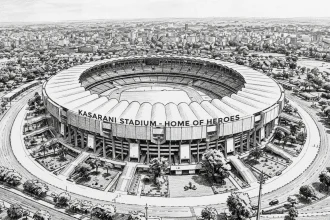






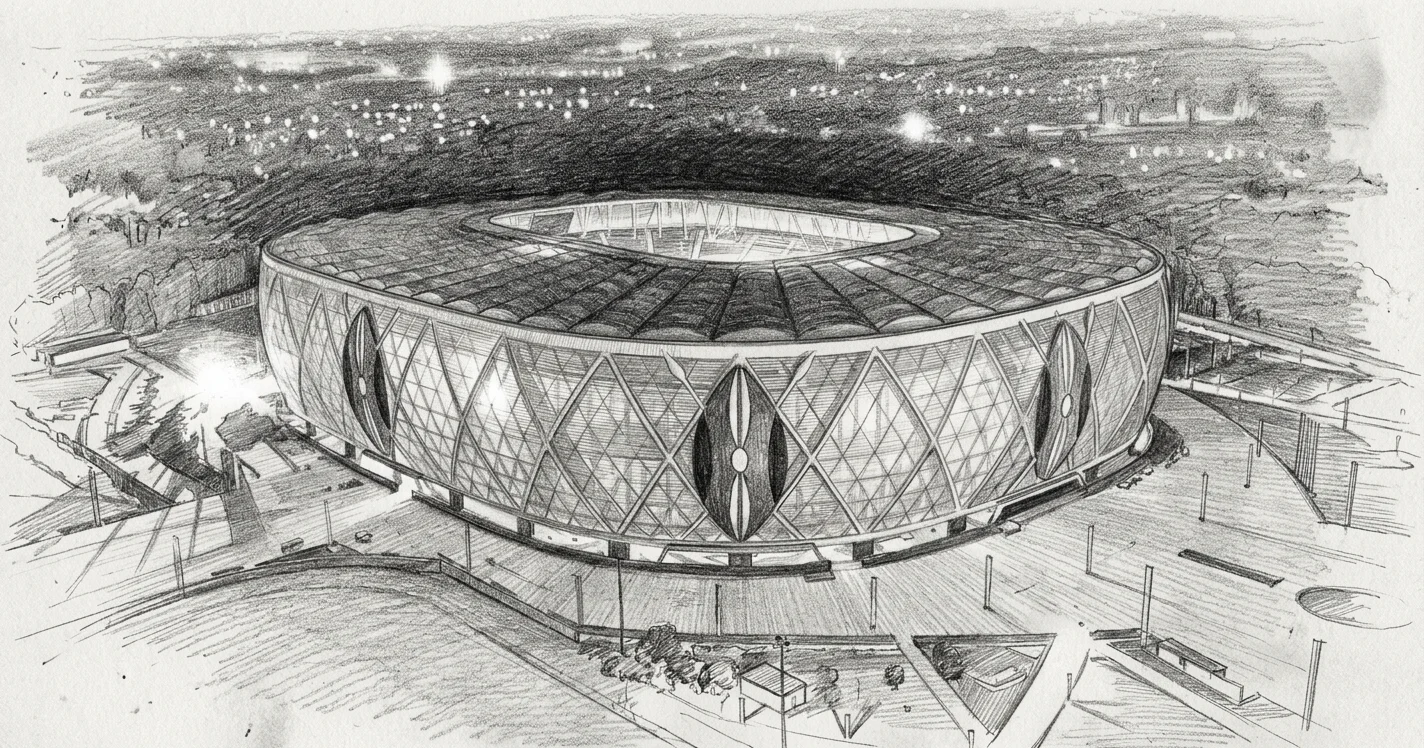
On January 5, 2027, Nairobi will welcome two of European football’s most recognisable institutions: Bayern Munich and Ajax Amsterdam. They will play at the new Raila Odinga International Stadium in Talanta Sports City, formally opening one of Kenya’s most ambitious sporting facilities.
The match carries considerable symbolism. Bayern have won Europe’s premier club competition six times and Ajax four. For Kenyan supporters who follow them through television and digital platforms, seeing the clubs play on home soil will be a significant occasion.
Designed for 60,000 spectators, the stadium is central to Kenya’s preparations to co-host the 2027 Africa Cup of Nations with Uganda and Tanzania. Scheduled for June 19 to July 17, the tournament gives January’s fixture an added purpose: testing both the venue and Kenya’s ability to organise a major international event.
Beyond the excitement, the match raises a question Kenya has not always asked when investing in sport: what happens after the final whistle?
In July, we asked whether Kenya was building stadiums or a sports industry. Infrastructure is only one part of a larger economic proposition. A stadium does not automatically create academies, broadcasting businesses, sports tourism, professional coaching or a sustainable commercial ecosystem.
The Bayern-Ajax fixture offers a chance to begin answering that question. It could be more than an opening ceremony; it could show how a major event connects infrastructure with enterprise.
From Hosting A Match To Building An Industry
Hosting international sport means delivering an event to required standards: a quality playing surface, security, transport, accommodation, ticketing, crowd management, broadcasting and safe logistics.
Building an industry takes longer. It requires businesses that can repeatedly deliver these services, professionals who can build careers in sport, investors willing to finance sporting enterprises, and institutions that develop talent and organise competitions.
The fixture will bring together an international organiser, two major clubs, a stadium, sponsors, broadcasters, suppliers and supporters. Each relationship can create local economic value. The question is how much will stay in Kenya.
Delivering the match will require event production, hospitality, transport, security, communications, digital ticketing, merchandising and media services. Kenyan businesses should participate not merely as peripheral suppliers, but as companies able to meet international standards and win repeat business.
The event also builds professional skills in broadcast production, stadium operations, sports marketing, athlete welfare, event management, and commercial rights — disciplines that matter beyond visiting teams.
If Kenyan professionals gain experience and local companies build capacity, the match’s value will extend beyond its 90 minutes. That is the difference between importing an event and developing the ability to host, produce and commercialise sport.
The Business Beyond The Turnstiles
A full stadium is an appealing measure of success, but not a complete economic assessment. Ticket sales are only one part of a modern event’s commercial ecosystem, which also includes sponsorship, broadcast and digital rights, advertising, hospitality, licensing, merchandise, tourism, food, transport and accommodation.
The match could link Kenyan businesses with international partners and introduce local institutions to commercial practices in established football markets. But visibility alone isn’t enough, as global audiences may see little beyond the stadium and visiting clubs.
Though international broadcasters may show the fixture, local media must build related content, audiences and commercial opportunities.
Merchandise offers another opportunity. Bayern and Ajax’s popularity creates demand for their products, but events can also benefit Kenyan designers, manufacturers, retailers and licensing businesses. A match drawing thousands of supporters should not be seen only as a chance to sell imports.
Kenya can also build a market around its own sport. Local clubs need stronger brands, better content, more attractive sponsorships and improved fan engagement.
Commercial success around international football should eventually strengthen domestic competitions.
Broadcasters and digital platforms are crucial because sport is increasingly a content business. Matches generate highlights, interviews, documentaries, analysis, behind-the-scenes material, statistics and social media engagement — extending an event’s commercial life beyond the stadium.
Kenya has the audience, interest and creative talent to take part. It needs a more deliberate strategy for developing businesses and rights structures that make sports content commercially valuable.
Can Stadium Become An Economic Destination?
The toughest test begins after January 5. A modern stadium is an asset, but its long-term value depends on regular use, effective management and enough revenue to cover operations and maintenance.
Talanta Sports City’s success should be measured not by international events alone, but by its ability to sustain regular sporting and commercial activity — from domestic football and friendlies to athletics, concerts and exhibitions — and provide sponsors, promoters, broadcasters and businesses with a predictable environment for investment.
The stadium’s management model matters: Who controls commercial rights and organises sponsorship, promotion, hospitality, advertising and merchandising? How can local businesses benefit?
These are not administrative details: they determine whether the stadium is simply a public venue or an economic platform for a wider industry.
The Government has promised corporate partnerships and a self-sustaining commercial model. Delivering on these ambitions requires clear operating arrangements, transparent reporting and measurable targets.
The public should be able to assess stadium use, revenue, costs, events and opportunities for Kenyan businesses and workers. Without this information, major infrastructure announcements may again escape scrutiny over their results.
The Bayern-Ajax fixture raises another question: how can elite international sport support local talent? Ajax is known for youth development; Bayern operates within Europe’s advanced football ecosystem, with extensive scouting, coaching, academies and performance systems.
Their visit should offer lessons in player development, academy management, talent identification and pathways from youth football to professional careers.
Kenya has abundant sporting talent, elite distance runners and passionate football fans. Converting this potential into professional opportunities requires grassroots facilities, qualified coaches, youth competitions, sports science, nutrition, physiotherapy, player management and clear career paths.
One match cannot solve these problems, and hosting European clubs does not put Kenyan football at their level. But the event can foster partnerships and technical exchanges that last beyond the visit.
January should be a beginning, not an achievement
Kenya is preparing to co-host AFCON 2027 with Uganda and Tanzania, testing the region’s ability to deliver major events and attract international visitors.
The January match can test event delivery, stadium operations, security, ticketing, transport, broadcasting and hospitality ahead of AFCON.
It should also help build a stronger sports economy by connecting government, federations, clubs, schools, universities, investors, broadcasters, tourism businesses and the creative sector to create commercial opportunities and careers.
Kenya should systematically measure major events’ economic impact by tracking attendance, visitor spending, local procurement, jobs, sponsorship, media exposure, and Kenyan business participation — not relying on projected visitor numbers or broad tourism claims.
The January 5 fixture may inspire national pride, but one successful opening won’t fulfil Kenya’s sporting ambitions. Bayern Munich and Ajax will play for 90 minutes; the stadium will remain.
True victory lies not in the score or attendance, but in what Kenya builds around the game — and sustains after the teams leave.