

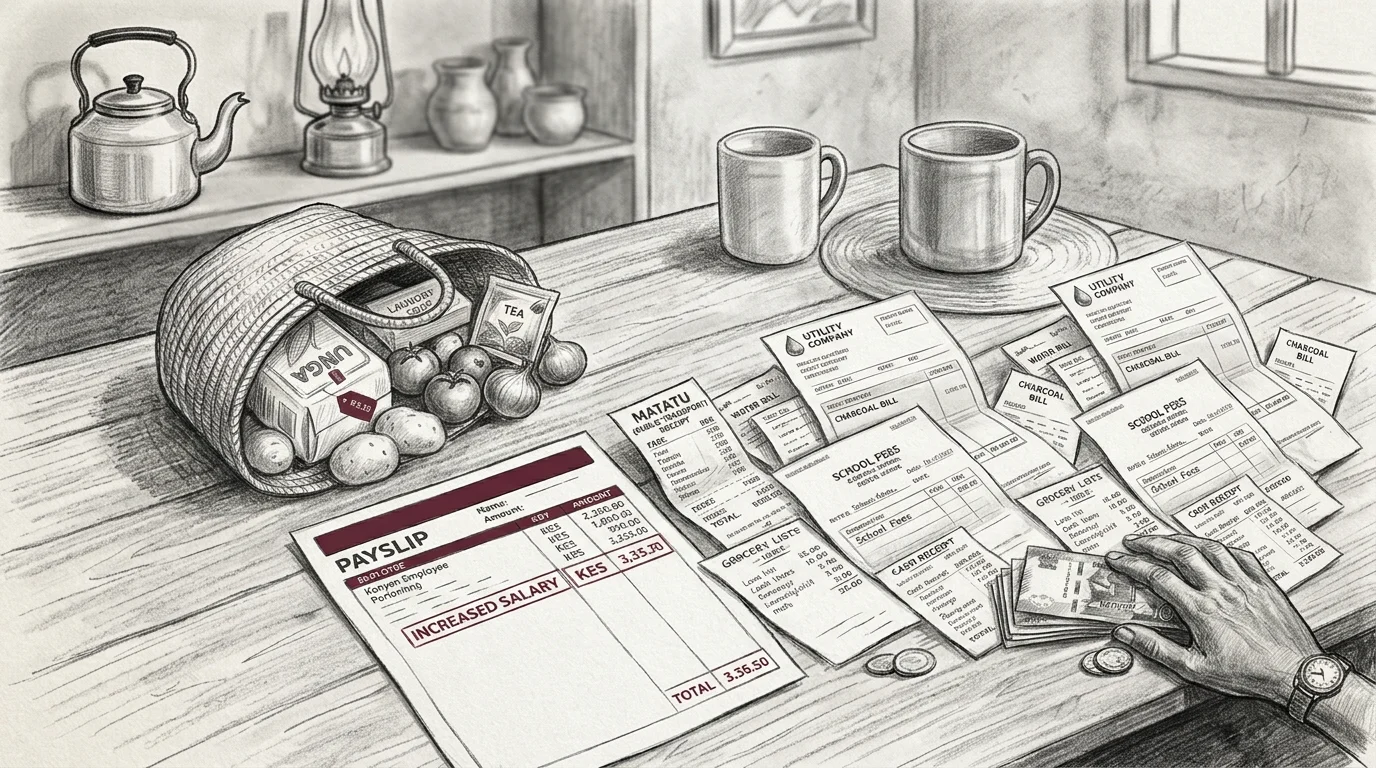
After years of rising prices that had eroded the value of earnings, the latest annual data from the Kenya National Bureau of Statistics (KNBS) showed that average real earnings had recovered in 2025.
However, the relief may prove short-lived for households whose budgets are dominated by food, transport and other unavoidable expenses.
In October 2026, consumer prices were 7.3 per cent higher than a year earlier. Food and non-alcoholic beverages rose 10.2 per cent, while transport prices rose 17.1 per cent. Housing, water, electricity, gas and other fuels rose by 3.7 per cent over the same period.
Together, these three expenditure categories account for more than 57 per cent of the weights used to calculate Kenya’s Consumer Price Index.
The figures reveal a tension at the heart of Kenya’s economic story. The economy is growing, jobs are being created, and average earnings have risen.
Yet the cost of essentials is increasing in ways that can quickly erode the benefit of a pay raise, especially for people with little flexibility in how they spend.
The question is not whether Kenya’s economy is expanding but whether the improvement in earnings recorded last year is translating into a more secure standard of living, or whether households are once again losing ground.
The Recovery That Came In 2025
Average annual nominal earnings per employee across the covered private and public sectors increased from approximately Sh933,100 in 2024 to Sh988,200 in 2025, an increase of about 5.9 per cent, according to the KNBS Economic Survey 2026.
More importantly, the estimated average real earnings per employee rose from approximately Sh665,400 to Sh678,800. Real earnings adjust nominal pay for inflation and more clearly show how much workers’ incomes can buy.
The increase signalled improved average purchasing power, although the experience varied substantially across sectors.
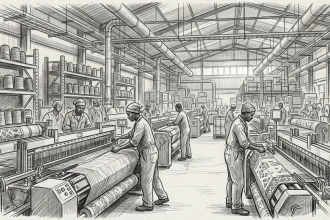
Private-sector employees recorded a 3.9 per cent increase in real average earnings, bringing the measure to about Sh716,100. In the public sector, real average earnings fell by 2.2 per cent to approximately Sh600,600. The aggregate recovery therefore did not mean that all workers benefited equally.
Averages can mask very different experiences. A worker whose earnings outpace inflation may rebuild savings or cover expenses they had put off.
Another, whose pay rises only slightly, or not at all, may continue to feel pressure even as the national average improves.
The figures also reflect formal wage employment covered by the survey, not every Kenyan’s income. They do not fully capture the fluctuating incomes of informal workers, casual labourers, traders, and self-employed people.
For many households, the question is not simply whether pay has increased, but whether income arrives regularly enough to cover expenses that must be paid regardless of sales or working hours.
The 2025 figures therefore show a recovery in average real earnings, not proof that every household entered 2026 in a stronger financial position.
The Essentials Are Getting More Expensive
Households can’t eliminate food expenses when prices rise. They can change what they buy, switch brands, reduce portions, or move to cheaper alternatives, but these adjustments can come at the cost of nutrition, convenience, and quality of life. Families with limited budgets may have little choice but to make those trade-offs.
Transport poses similar challenges. Commuting is essential for many workers, and higher fares leave less of their wages. Businesses moving people or goods may absorb higher costs, pass them to customers, or accept lower margins and earnings.
The impact of rising prices varies by household. A salaried employee who spends a large share of their income on commuting and food may experience inflation differently from a household with employer-provided transport, a short commute, or access to home-produced food.
The national inflation rate is an important measure, but it cannot describe every household’s cost of living. There is also a distinction between inflation and the price level. Inflation measures how much prices change over a period; it does not mean prices return to their previous levels when inflation slows.
Even if the rate of increase moderates, households may still pay substantially more than before. For workers whose incomes have not adjusted accordingly, the pressure can persist long after the initial price shock.
This is how a pay rise can lose its practical value. An earnings increase may look meaningful when announced, but the real gain in purchasing power depends on what happens to the prices of the goods and services the household actually buys.
The Arithmetic Behind The Squeeze
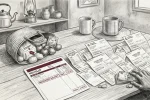
Consider a worker whose monthly earnings rise, but whose essential expenses rise faster. The worker may have more money coming in, yet less left after paying for food, transport, rent and utilities. Nominal pay rises, but the improvement in living standards may be small or nonexistent.
This distinction matters most for households that spend most of their income on essentials. Higher-income households may absorb increases by drawing on savings, postponing discretionary purchases, or changing their spending patterns.
Lower-income households often have fewer such options because food, housing and transport already consume most of their available income.
Headline inflation alone cannot show the extent of the squeeze. To assess whether 2025’s earnings recovery was substantially eroded in 2026, compare consistent periods using an appropriate earnings measure.
You cannot simply subtract October’s annual price increase from the 2025 real-earnings gain: the figures cover different periods and measure different things.
A clearer test asks how much prices and wages have changed since end-2025, how much households spend on food and commuting, and what remains. It should also examine whether workers take home less despite higher gross salaries.
Answering these questions requires examining household budgets, not just national averages. Tracking income and spending over time for a salaried household, a casual worker, and a self-employed trader could reveal how different groups experience the same pressures.
Though not representative of the whole country, these cases could show how price changes affect money available for other needs.
This approach would also separate higher spending caused by rising prices from spending driven by buying more or changed circumstances. Establishing the difference is essential to explain the squeeze, not merely describe it.
Growth Does Not Settle the Household Question
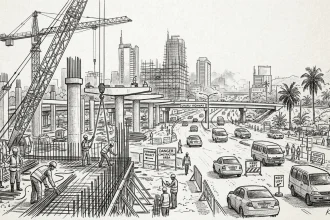
Kenya’s economic outlook offers both optimism and caution. KNBS reported real GDP growth of 4.6 per cent in 2025, with gains in agriculture, construction, mining, financial services, and accommodation and food services.
Growth can create jobs, but household finances improve only when gains are widely shared and provide reliable, adequate earnings.
Job numbers alone do not show whether households are secure: people may work but struggle with irregular pay, high work costs, or insufficient income. Rising average wages also do not benefit every worker.
The outlook remains uncertain. In its September 2026 Market Perceptions Survey, the Central Bank of Kenya said respondents expected inflation to stay above 5 per cent, though within the target range, over the next three months.
They cited higher fuel and transport costs, weather-related food-supply constraints, and external shocks. This is not a guarantee, but signals continued pressure on essential spending.
Policymakers must turn economic progress into tangible gains through productive jobs, better earnings, and action on essential costs. Employers should consider pay, productivity, and whether wage increases protect purchasing power. Households still face difficult choices when costs are unavoidable.
No single measure can address every pressure. Food prices depend on production, weather, storage, transport, and markets; transport costs on fuel, fares, distance, and alternatives; and earnings on productivity, labour demand, bargaining power, and available work. Solutions must target specific problems.
The immediate task is to assess how much purchasing power has been lost, who is affected, and what can realistically limit it.