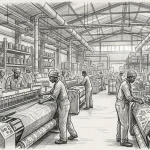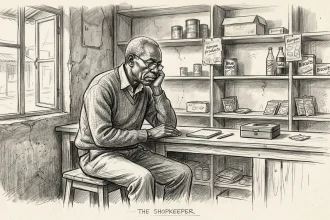
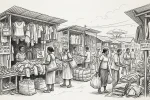
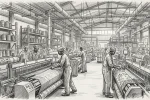




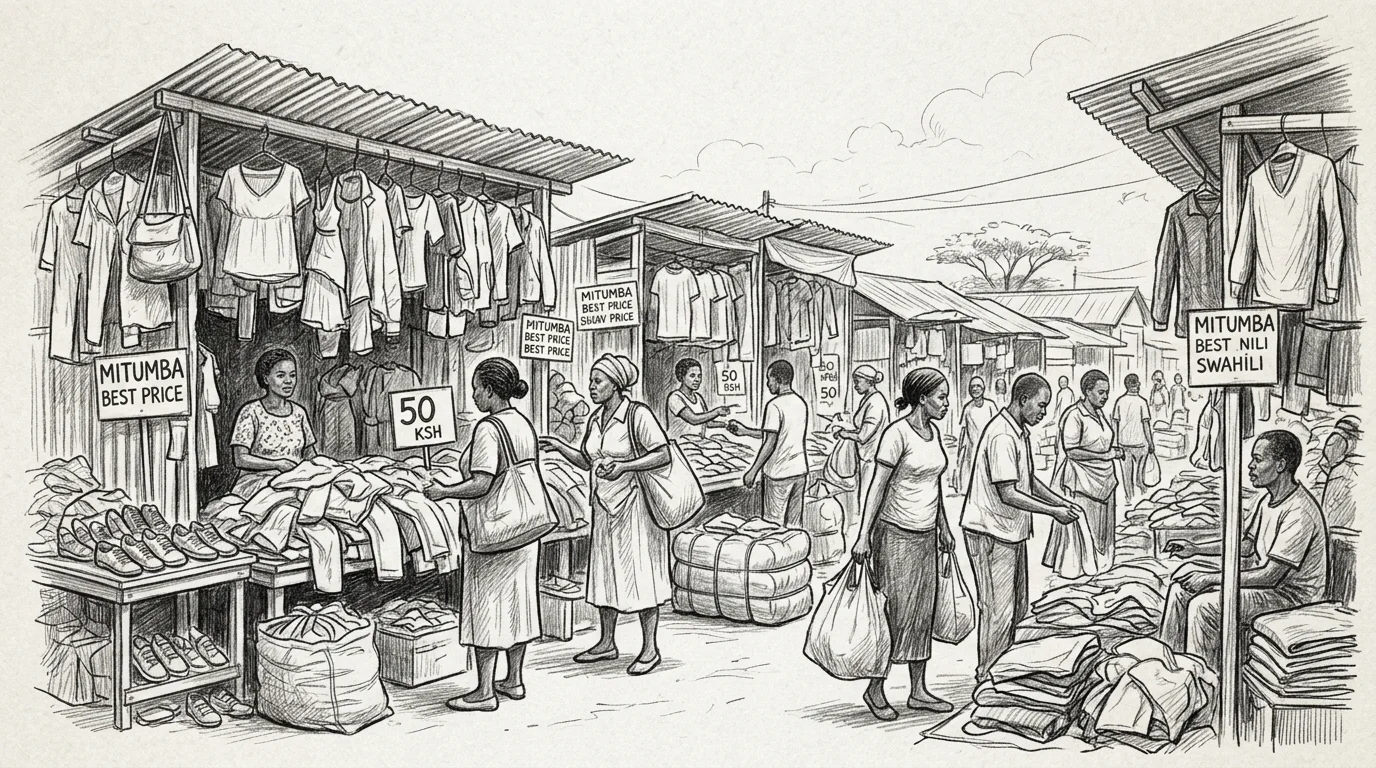
At a mitumba market, shoppers sift through imported second-hand clothes and may find a jacket, jeans, or a dress for less than many new garments.
Others pay more at boutiques for locally designed outfits with a particular fit, finish or identity. Both shape Kenya’s clothing economy from different points in the market.
This contrast reflects a dilemma for Kenya’s fashion and textile industries. The country wants to add value through local cotton, fabric, garment production and design, while millions rely on mitumba for affordable clothes.
The debate often pits local industry against second- hand imports, overlooking a key question: why used clothes work better for so many consumers, and how can local producers offer genuinely affordable alternatives?
Affordability Is Not A Fashion Trend
Mitumba’s popularity reflects not just changing tastes or imported-label appeal, but household budgets: when rent, food, transport, school fees and essentials take priority, even consumers who prefer local goods may rationally choose cheaper clothes.
Kenya’s Economic Survey valued second-hand clothing imports at about Sh28 billion in 2024, versus roughly Sh60 billion in textile imports. It also reported average quarterly household spending of Sh409 on used clothing and Sh783 on new items.
Although these figures cover different categories and don’t capture the entire market, they highlight the price gap that shapes consumer choices.
Mitumba supports importers, wholesalers, traders, transporters, tailors and retailers. Policies that overlook them risk treating established jobs as barriers to industrialisation. For traders, clothing provides income to pay rent and support families.
This does not exempt the sector from scrutiny over quality, waste, working conditions or domestic production. But market changes must consider both those who depend on Mitumba and consumers drawn to its affordability.
Why Local Fashion Struggles To Win More Wardrobes
Kenya has talented designers and manufacturers serving local and export markets, but their presence alone does not create a mass market. Locally made clothing prices cover more than design: fabric, labour, rent, equipment, packaging, distribution, financing, taxes and small production runs all add costs.
Small-run designers often face higher unit costs than traders importing in bulk. Manufacturers may also depend on imported fabrics and accessories, so making clothes in Kenya does not mean most value is created locally. Limited or inconsistent textile supplies leave producers vulnerable to global prices and shifts in exchange rates.
Consumers value variety, fit, durability and convenience. Patriotism alone won’t build loyalty; brands need appealing, fairly priced clothing with consistent sizing, reliable availability and reasons to return, such as distinctive design, cultural identity, durability, workplace suitability or easy alterations.
The goal is not merely to persuade Kenyans to buy local, but to help businesses produce more desirable garments at competitive prices while offering consumers genuine choice.
A Clothing Industry Needs A Value Chain
The long-term opportunity is to link every stage, from raw material to finished product: farmers need reliable markets and suitable varieties; ginners need steady supply and working equipment; textile producers need competitive costs; garment makers need materials, skills, and machinery; and designers need partners who deliver consistent quality.
Weakness anywhere in the chain raises costs. Garment makers using unsuitable or unreliable fabric may lose price competitiveness; mills lacking demand cannot spread fixed costs, and farmers without dependable buyers have little incentive to improve production. Industrial policy must address these links rather than rely on one intervention to rebuild the sector.
Local manufacturers could compete in uniforms, workwear, schoolwear, basics and specialised garments where reliable supply and sizing matter. Designers may earn higher margins from limited collections, occasion wear and craftsmanship- or identity-led products. Businesses and buyers must test these options; success isn’t guaranteed.
Government procurement can support demand when local products meet quality and value-for-money standards, but local-content policies require transparent rules and monitoring. Public institutions should not have to buy unsuitable, overpriced products, and procurement should not needlessly hinder capable Kenyan firms.
The Price Of Looking Good
Clothing conveys belonging, confidence, professional identity and taste — not merely protection from weather. On tight budgets, young consumers navigate these pressures and fast-changing digital trends. Second-hand finds offer unique styles; locally designed clothes express identity and support homegrown creativity.
Reuse extends garment life, but its environmental benefits depend on imported items’ durability, resale or repurposing potential, and end-of-use waste.
Kenya needs evidence on lifecycle impacts and sorting, disposal, and textile-waste costs — not assumptions that second-hand imports or local production are inherently sustainable.
A sound clothing strategy must balance affordability, traders’ livelihoods, local manufacturers’ competitiveness, designers’ growth and responsible waste management. These goals may conflict, but need not be mutually exclusive.
Success isn’t mitumba’s disappearance or everyone buying local. It’s affordable, reliable local clothing without destroying livelihoods before alternatives exist.
Until household incomes and production costs improve, calls to buy local will struggle against market realities.