

Devolution was intended to bring government closer to people, direct resources into local economies and make spending more responsive.
Yet thousands of businesses supplying county governments face a painful contradiction: counties can award contracts and receive goods or services, then leave bills unpaid for years.
The problem is substantial. Counties reported about Sh174.4 billion in pending bills at the end of 2024/25, according to the Controller of Budget.
The National Treasury’s subsequent Budget Review and Outlook Paper put cumulative county bills at Sh195.5 billion, using a broader measure of outstanding obligations.
These figures are not interchangeable: Sh176.8 billion reflects counties’ reports, while Sh195.5 billion is the Treasury’s cumulative assessment.
Both, however, show a fiscal problem counties have struggled to contain.
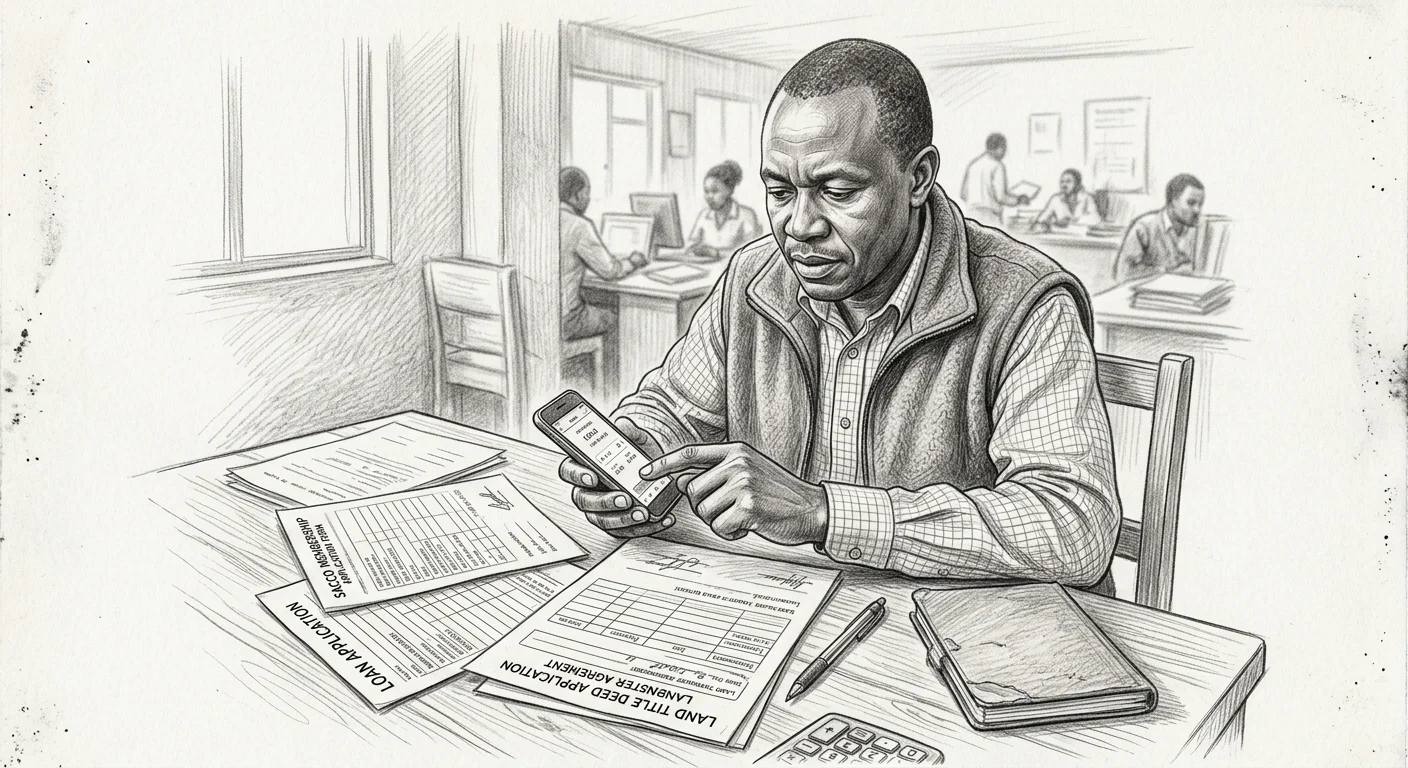
An unpaid bill may be one line in a national report. For a small contractor, it can mean being unable to pay staff, repay a loan, buy materials or keep the business running.
Communities may face unfinished roads, delayed facility maintenance or projects whose promised benefits remain on paper long after the financial year ends.
Public debate often frames pending bills as a technical issue between government accountants and suppliers, overlooking their wider economic impact.
County governments buy construction, transport, food, medical supplies, professional services and more. When payments stall, businesses that employ people and sustain local markets bear the pressure.
The issue is not just how much counties owe, but how an institution entrusted with public money can keep accumulating obligations without a credible, verifiable plan to settle them.
The Weight Of Old Debts
The age of these bills reveals the scale of the problem. The Controller of Budget’s FY2024/25 report showed that about Sh85.42 billion in pending bills had been outstanding for over three years.
Another Sh20.34 billion was two to three years old, Sh19.78 billion one to two years old, and Sh48.88 billion less than a year old.
These figures show that temporary invoice-processing delays or routine year-end payment timing cannot explain much of the problem.
Bills unpaid for three years or more point to deeper weaknesses in financial planning, expenditure control, revenue collection and management of inherited obligations.
They also raise accountability concerns because administrations change, priorities shift, and promises are made, but debts remain. Suppliers may face officials who dispute inherited claims or demand new verification.
Verification prevents public funds from paying fictitious invoices, inflated contracts or unlawful expenses, but must not indefinitely delay legitimate claims. For disputed bills, the government should identify the defect, disclose evidence and provide a process to establish validity.
For verified bills, counties should specify payment timing, funding sources, and safeguards against competing demands. Otherwise, each administration can blame its predecessor while suppliers bear the cost.
Nairobi’s Outsized Burden
Pending bills vary widely: Nairobi City County accounts for about 49 per cent of the county total — roughly 199 per cent of its approved FY2024/25 budget. Bills equal 43 per cent of approved budgets in Kilifi and Machakos, and 34 per cent in Kiambu, according to the National Treasury.
These comparisons matter because debt alone tells only part of the story. A county’s ability to meet its obligations depends on reliable revenue, spending commitments and funds remaining after essential services.
A large backlog relative to the annual budget limits flexibility. Even when the national government releases the county’s equitable share, the county must fund salaries, health services, operations, development, and legitimate obligations.
Shortfalls in own-source revenue intensify the pressure. The Treasury says weak own-source revenue collection contributes significantly to counties’ pending bills, even though the national government transferred the full equitable share in FY2024/25.
That helps explain the arrears but does not excuse them. Revenue shortfalls should lead to adjusted commitments and cautious procurement — not indefinite delays in paying for goods and services already received.
Elgeyo Marakwet and Lamu offer a counterpoint: pending bills were just 0.2 per cent and 0.6 per cent of their approved budgets, respectively. Though these figures do not prove sound financial management in every respect, they challenge the notion that large arrears are inevitable under devolution. Differences in budget discipline, revenue administration, procurement and expenditure management warrant scrutiny.
Action Plans Must Become Payment Records
Counties have a framework to address the problem. In June 2025, the Intergovernmental Budget and Economic Council adopted an action plan directing counties to tailor and implement measures to clear obligations and prevent new arrears. The national government has also backed accrual accounting and county payment plans to improve debt recording and management.
A credible action plan should separate verified bills from disputed or ineligible claims, set payment priorities, protect settlement funding, monitor progress, and prevent new obligations from outpacing payments on old ones.
A plan is not a payment. Progress depends on whether verified arrears and old bills are declining, while new bills remain manageable. The Controller of Budget has flagged counties that failed to follow payment plans, showing that commitments have not always led to action.
County assemblies should review pending-bill schedules alongside budgets, supplementary estimates and quarterly reports. The Controller of Budget should track opening balances, new bills, payments and closing balances — not just totals. Auditors should verify that liabilities are complete, documented and supported by procurement records.
The public also needs details on payments: which bills were settled, their age and whether the total backlog fell. Paying Sh2 billion in old bills while incurring Sh3 billion in new ones does not resolve the crisis.
The Cost Of Postponing Payment
Pending bills are not only a cash-flow issue but an economic-governance problem. Businesses relying on public contracts may borrow against expected payments to cover wages, suppliers and loans.
Delays increase financing costs and reduce working capital. Smaller firms have fewer options: they may struggle to withstand delays, obtain affordable credit or find other markets.
The consequences can extend beyond the original contractor. A supplier who cannot pay employees or upstream vendors transfers the pressure through the local economy.
A business that closes after years of waiting means lost jobs, less competition for future tenders, and a weaker tax base.
Unpaid county obligations threaten public service delivery. Suppliers may avoid new contracts, raise prices to offset payment risks or commit fewer resources. Repeated delays can therefore increase costs and reduce competition.
Paying legitimate arrears is essential to restoring trust in public procurement and enabling counties to deliver services affordably.
But counties should not indiscriminately divert funds from hospitals, essential operations or ongoing projects to settle every claim at once.
They must verify and prioritise liabilities, publish realistic payment schedules, and include settlements in fiscal plans. They must also stop making commitments without credible funding.
Progress means fewer old bills, fewer new arrears and public records that let citizens track the change.
Devolution promised to bring resources and accountability closer to people. When counties commission work but fail to pay suppliers reliably, they weaken local businesses, service delivery and confidence in responsive government.
The test for county leaders is not whether they have a plan, but whether suppliers receive payments, arrears decline, and budgets reflect affordable commitments.