



Fifteen years after adopting the 2010 Constitution, Kenya finds itself grappling with a paradox: a system designed to spur development through devolution is increasingly devouring resources on administration rather than delivering tangible progress.
As the country prepares the 2025/26 budget, Kenya’s fiscal landscape reveals a troubling trend – billions of shillings funnelled into salaries, allowances, and operational overhead are outpacing investments in infrastructure, healthcare, and education.
This shift, starkly evident in both national and county budgets, raises a critical question: why is Kenya spending more to govern itself than to grow?
The Numbers Tell the Story
The Division of Revenue Bill 2025, currently under parliamentary scrutiny, allocates KSh 405 billion to counties for the 2025/2026 fiscal year. On paper, this sum promises to bolster devolved services like agriculture and health. Yet, historical data from the Controller of Budget paints a different picture: recurrent expenditure – dominated by wages, travel, and administrative costs – consistently claims over 70 per cent of county budgets. In some counties, this figure nears 90 per cent, leaving a sliver for capital projects like roads or schools.
Nationally, the story is similar. The 2024/2025 budget, totalling KSh 3.9 trillion, earmarked roughly 40 per cent for recurrent costs, including a bloated public wage bill that the Treasury estimates at KSh1 trillion annually. Development spending, by contrast, hovers around 25 per cent, with the remainder servicing Kenya’s KSh10 trillion debt. This imbalance has persisted despite pledges from successive administrations to cap administrative costs and prioritise growth.
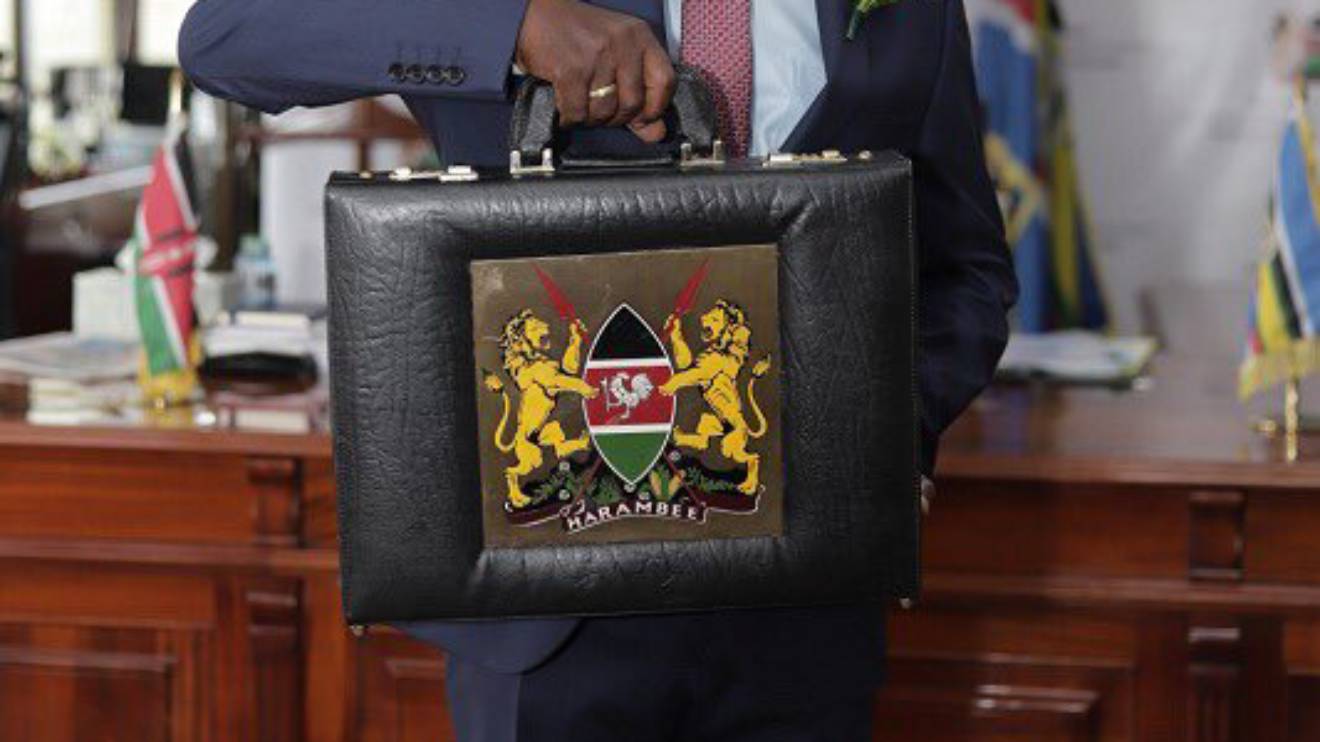
The proposed 2025/26 national budget, as outlined in the Budget Policy Statement, is more of the same and offers little reprieve from this administrative tilt. The BPS suggest a total expenditure nearing KSh4.2 trillion, with recurrent costs projected to rise to KSh 1.7 trillion – driven by a public wage bill that continues to swell despite hiring freezes. Development allocation, pegged at around KSh1 trillion, remains dwarfed by administrative and debt-servicing demands, the latter consuming an estimated KSh1.5 trillion.
Treasury CS John Mbadi has hinted at austerity measures, including a potential slash in allowances and parastatal budgets, but these cuts may be offset by new administrative layers, such as additional advisors and state departments.
Devolution’s Double-Edged Sword
Devolution, birthed by the 2010 Constitution, aimed to decentralise resources and empower local development. Instead, it has spawned a sprawling bureaucracy that consumes more than it creates.
Each of Kenya’s 47 counties operates its own government – complete with governors, deputy governors, county executives, and assemblies of MCAs – mirroring the national structure on a smaller scale. This replication multiplies costs exponentially.
MCAs, for instance, draw salaries exceeding KSh 150,000 monthly, plus sitting allowances that can double their earnings, even as they oversee modest budgets. Governors and their deputies command multimillion-shilling packages, often supplemented by lavish perks like luxury vehicles and overseas trips branded as “benchmarking.”
A 2024 Auditor-General report flagged counties for spending millions on administrative offices while stalled projects – like half-built markets and schools- languished nearby.
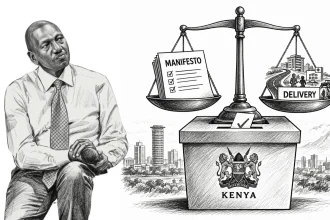
The national government is not immune. A bloated cabinet, parastatal heads, and an army of advisors inflate the wage bill, despite President William Ruto’s 2022 campaign promise to streamline governance.
Stay updated with our weekly newsletter. Subscribe now to never miss an update!
A Culture of Entitlement
At the root of this administrative bloat lies a political culture that prioritises patronage over performance. Devolution, intended to dismantle centralised elitism, has instead birthed 47 new fiefdoms where loyalty is rewarded with jobs and contracts.
Counties routinely hire beyond their needs, swelling payrolls with unqualified staff or ghost workers – a practice the Auditor-General has flagged but rarely curbed. Nationally, the creation of new agencies and commissions – often duplicating existing roles – serves as a tool to appease political allies, further entrenching administrative sprawl.
This entitlement extends to perks. Recet reports by the Audito-General and Controller of Budget revealed county officials spending KSh500 million annually on domestic and foreign travel, often with little to show for it. Meanwhile, citizens in places like Turkana or Wajir wait years for promised boreholes or clinics, underscoring a misallocation that favours the governors over the governed.
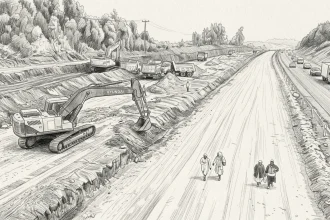
Kenya’s administrative obsession comes at a steep cost. With revenue collection faltering – KRA missed its 2024 target by KSh 200 billion – the government leans heavily on borrowing to fund the budget. Every shilling spent on a bloated payroll or an MCA’s allowance is a shilling not invested in roads, power grids, or schools – projects that could drive economic growth and lift millions from poverty.
The World Bank has warned that Kenya’s public wage bill, at 7 per cent of GDP, exceeds the Sub-Saharan average, crowding out development spending critical for a nation with a 33 per cent poverty rate.
Counties, too, squander potential. The KSh405 billion equitable share for 2025/26 financial year could transform rural economies if channelled into irrigation schemes or market infrastructure. Instead, it will largely be absorbed by recurrent costs, leaving governors to plead for more funds while sitting on unspent balances – a paradox the Senate has yet to resolve.
Why the Shift Persists
Several factors sustain this administrative tilt. First, weak oversight allows waste to flourish. County assemblies, meant to check governors, often collude or lack capacity to scrutinise budgets. Nationally, Parliament struggles to enforce cuts amid political horse-trading.
Second, public apathy – or lack of access to clear data – lets leaders evade accountability.
Third, the 47-county model, while politically sacred, may be structurally flawed, duplicating costs in a nation that might function leaner with fewer units.
The Treasury, under CS John Mbadi, has signalled intent to cap the wage bill, but resistance is fierce. Politicians defend their fiefdoms, arguing that jobs – however redundant – keep constituents happy. Meanwhile, citizens bear the burden through higher taxes and stagnant services, a far cry from the development-driven devolution they endorsed in 2010.
A Path Forward?
Reversing this trend demands bold reform. Consolidating counties, enforcing a 30:70 development-to-recurrent spending ratio, and digitising oversight to curb graft could redirect funds where they are needed.
Yet, such changes threaten entrenched interests, making political will the ultimate bottleneck. As Kenya debates the 2025/26 budget, the stakes are clear: continue feeding an administrative beast or finally prioritise the development Kenyans have long awaited.