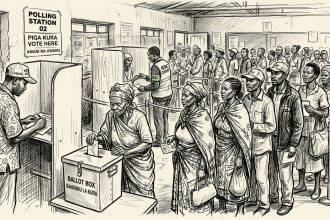

The National Development Implementation Committee Prime Cabinet Secretary Musalia Mudavadi has identified public participation as an avenue for corruption raising alarm over KSh3 billion allocated for such exercises across 13 counties.
During a meeting on Wednesday, the committee directed the National Treasury and the Attorney General’s Office to expedite the Public Participation Bill. This legislation aims to overhaul the process, ensuring funds are released for tangible project implementation rather than being siphoned off through corrupt practices.
The directive aims to actualised the NDIC’s commitment to enhancing accountability and optimising resource use for Kenya’s development agenda. There are questions arising on the cost of public participation with the government spending over KSh10 billion every year.
Though public participation is a Constitutional requirement, Kenya does not have an enabling legislation to guide the conduct, compliance and enforcement by various government institutions.
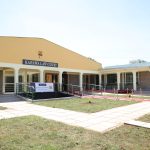
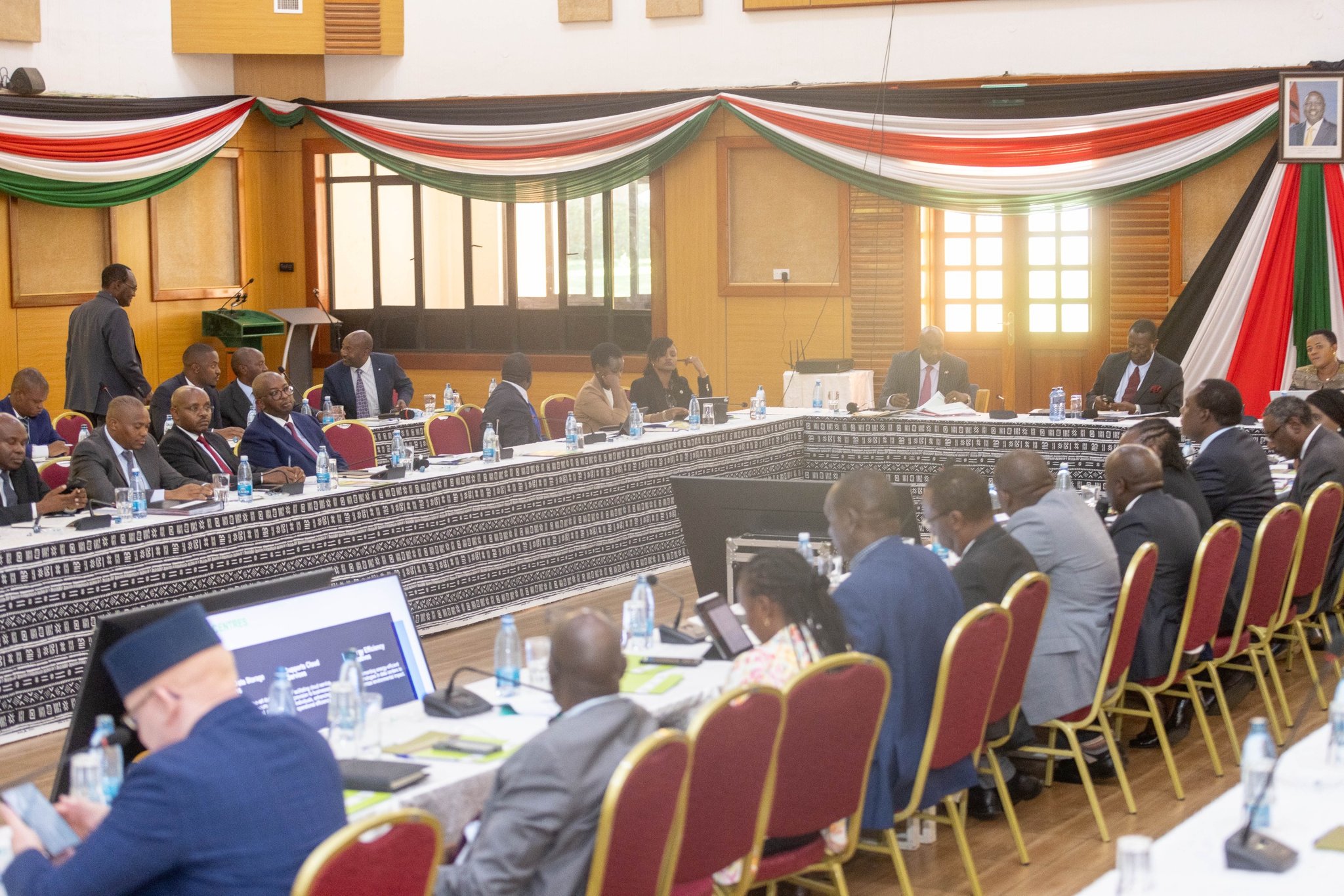
The NDIC convened at the Kenya School of Government to address pressing national priorities, with a sharp focus on curbing corruption in public participation. Co-chaired by Deputy Head of Public Service Amos Gatheca in the absence of Mr. Felix Koskei, the committee issued critical resolutions to streamline governance and redirect resources toward service delivery.
Beyond public participation, NDIC issued further resolutions to bolster key programs.
On the Social Health Insurance Fund (SHIF) and Taifacare, the committee reviewed progress, with SHIF collecting KSh31.56 billion and paying out KSh22.15 billion in claims, including KSh8.63 billion to settle old NHIF debts. With over 20.6 million Kenyans registered, NDIC resolved to sustain momentum in expanding universal health coverage.
In the Affordable Housing Programme, NDIC noted 730,062 units in the pipeline and 130,988 under construction, alongside 250,000 jobs created. The committee directed continued support for Jua Kali and MSMEs, with KSh11 billion ring-fenced, aiming to generate over 1 million jobs across the program’s lifecycle.
The NDIC assessed the 2025/26 Budget Policy Statement, projecting a 5.3 per cent growth rate, supported by declining inflation (3.5 per cent in February 2025). To maintain this resilience, the committee resolved to reinforce agricultural, service, and manufacturing sectors.
Stay updated with our weekly newsletter. Subscribe now to never miss an update!
On digital infrastructure, NDIC lauded the installation of 13,590 kilometers of fiber optic cable and directed the completion of 100 digital hubs, with 38 already underway. The committee also welcomed Kenya’s inclusion in Microsoft’s $2 billion AI investment, resolving to leverage this for digital advancement.
Facing a future of limited external funding, NDIC issued a directive to ministries, departments, and agencies (MDAs) following the IMF program’s end in May 2025. With an IMF governance diagnostic mission set for June 16-30, 2025, the committee instructed MDAs to develop drawdown plans for donor-funded projects and prioritise self-sufficiency strategies.
The National Development Implementation Committee (NDIC) is a high-level governmental body in Kenya tasked with overseeing the execution of national government programs, policies, and projects.
Chaired by the Prime Cabinet Secretary, the committee comprises Principal Secretaries from various ministries. The Head of Public Service, Mr. Felix Koskei, serves as the Vice-Chairman and Convenor, with the Deputy Head of Public Service stepping in during his absence.