



On a typical Saturday morning in Nairobi, the city wakes up in two very different ways. One half is still asleep after a demanding workweek. The other has already logged five kilometres before sunrise.
In Karura Forest, groups of runners snake through shaded trails wearing matching club jerseys and smart watches that record every heartbeat. Along Limuru Road and the Northern Bypass, cyclists in colourful kits glide through the morning mist before gathering at cafés for coffee and breakfast.
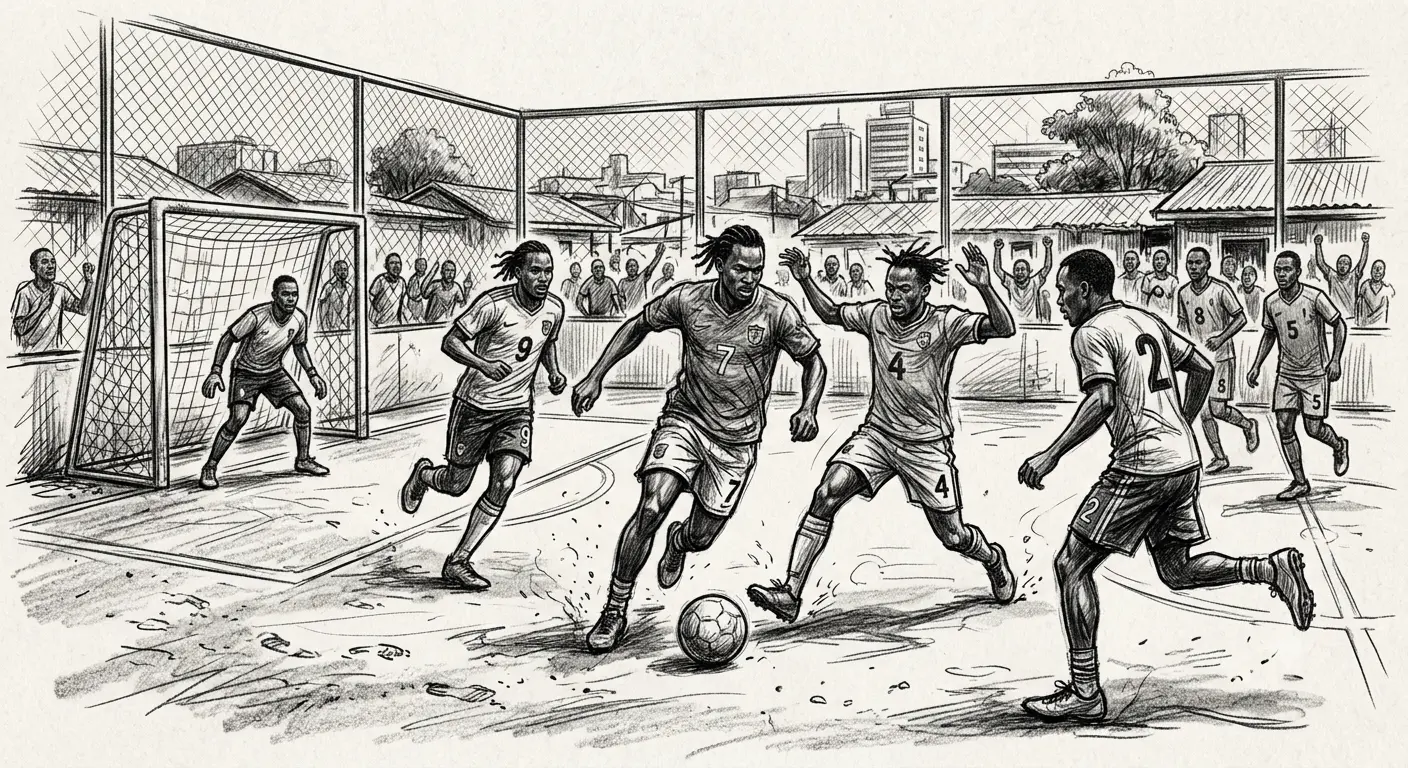
Across the city, five-a-side football pitches are fully booked before nine o’clock, while padel courts in Westlands, Kilimani and Karen host doubles matches between lawyers, entrepreneurs, bankers and university students.
Elsewhere, yoga studios, boxing gyms and functional fitness centres welcome participants looking for something more engaging than another hour on a treadmill.
Few of these people have ambitions of representing Kenya at the Olympics, and most are not chasing prize money or professional contracts. Yet together they represent one of the most significant and least discussed shifts in Kenya’s urban culture over the past decade.
For generations, Kenya’s sporting identity has been defined almost exclusively by elite performance. The country celebrates Olympic champions, marathon world record holders and international rugby stars because they project national pride globally.
Recreational sport, by contrast, has rarely attracted the same attention. It was something people did in school, occasionally at work, or informally in neighbourhoods before adulthood and professional responsibilities took over.
Across Nairobi and increasingly in cities such as Mombasa, Kisumu, Nakuru and Eldoret, sport is becoming a lifestyle rather than a profession.
Thousands of urban residents now organise their weekends around races, cycling rides, hikes and social leagues, treating exercise not as an obligation but as an essential part of modern life.
The transformation reflects changing attitudes towards health and wellbeing, but it also signals something much larger.
Amateur sport is emerging as a new social institution, a growing economic sector and an important indicator of how Kenya’s middle class is redefining community.
More Than Exercise
The expansion of recreational sport mirrors broader social changes taking place in Kenya’s cities.
Urban professionals are working longer hours than previous generations, commuting through increasingly congested roads and spending much of their day behind computer screens.
At the same time, digital technology has changed how people interact. Friendships are maintained through messaging apps, meetings happen on video calls and entertainment is increasingly consumed alone through personal devices.
Against that backdrop, organised sport offers something increasingly rare: genuine human connection built around a shared experience.
Running clubs perhaps illustrate this evolution better than any other activity.
What once consisted of a handful of athletes preparing for road races has become a thriving network of communities that welcome everyone from complete beginners to experienced marathoners.
Groups such as We Run Nairobi, Urban Swaras Running Club and Karura Running Club regularly attract hundreds of participants who gather not only to train but also to socialise, mentor one another and build lasting friendships. Weekend runs often conclude with coffee, breakfast or networking sessions that are as important as the kilometres covered.
The appeal extends well beyond running. Cycling clubs have multiplied across major urban centres, organising rides that combine endurance with exploration. Hiking groups fill buses every weekend bound for destinations such as Ngong Hills, Mount Longonot and the Aberdares.
Yoga studios now cater to professionals seeking mindfulness alongside physical fitness, while sports such as padel and pickleball have introduced entirely new communities to Kenya’s recreational landscape.
The diversity of activities reflects the growing maturity of Kenya’s sporting ecosystem. According to a 2026 assessment by Sport for Development, Kenya now has an estimated 125 registered national sports federations and associations, covering disciplines that range from athletics and football to climbing, rowing, triathlon and emerging racquet sports.
The same report notes that participation in recreational activities such as running, cycling, gym fitness, yoga and hiking is expanding particularly quickly among younger urban adults, suggesting that organised exercise is no longer a niche pursuit but an increasingly mainstream lifestyle choice.
That change is significant because it marks a departure from the traditional understanding of sport as competition. For many urban Kenyans, success is no longer measured by winning medals or setting records.
It is measured by completing a first 10-kilometre race, reaching a personal fitness goal or simply showing up consistently every weekend. Participation itself has become the achievement.
Building Communities Beyond the Workplace
The popularity of amateur sport cannot be explained by fitness alone. If exercise were the only motivation, treadmills would have solved the problem years ago.
Instead, people continue seeking organised group activities because they provide something that modern urban life increasingly struggles to offer: a sense of belonging.
Kenya’s cities have grown rapidly over the past two decades, bringing opportunities but also greater social fragmentation. Young professionals frequently move away from their hometowns for work, traditional neighbourhood ties have weakened and hybrid working arrangements have reduced the daily interactions once provided by the office.
Recreational sport has stepped into that gap by creating new forms of community built around shared interests rather than geography or profession.
Running clubs have become perhaps the clearest example of this phenomenon. New members often join hoping to improve their fitness, but remain because they discover friendships, mentorship and support networks that extend well beyond the track.
Birthdays are celebrated together, businesses are launched through introductions made after training sessions, and charity initiatives emerge from communities initially brought together by a simple morning run.
Cycling groups have developed similar cultures. Weekly rides frequently end at cafés that have become unofficial clubhouses, where conversations shift effortlessly from bike maintenance to careers, investment opportunities and family life.
Football leagues organised for office workers have become as much about camaraderie as competition, while hiking clubs offer urban residents an opportunity to reconnect with nature while forming meaningful social bonds.
Perhaps no sport better captures this intersection of recreation and networking than padel. Introduced to Kenya only a few years ago, the sport has expanded at remarkable speed.
The country’s first dedicated padel club opened in 2023. By 2025, more than 70 courts had been established nationwide, and the Kenya Padel Federation had secured recognition from the International Padel Federation, signalling that what began as a niche pastime was rapidly evolving into an organised national sport.
Its appeal lies partly in accessibility. Unlike tennis, which often demands years of technical development, padel is relatively easy for beginners to enjoy. Played in doubles on enclosed courts, it naturally encourages conversation and collaboration.
Matches are followed by coffee, business discussions and social gatherings, making the sport particularly attractive to young professionals who view recreation and networking as complementary rather than separate pursuits.
This blending of fitness and community explains why participation continues to grow despite economic pressures. Gym memberships, race entry fees, bicycles and sports equipment all require discretionary spending at a time when household budgets remain under strain.
Yet many participants increasingly view these costs not as luxuries but as investments in physical health, mental wellbeing and social capital. In an era when loneliness and burnout have become common features of urban life, amateur sport offers a rare combination of movement, friendship and purpose.