





For most of its first two years, Kenya’s Universal Healthcare reform has been judged on its most visible numbers: how many Kenyans registered, how many facilities were accredited, how many people contributed.
Those figures still matter, but they say less and less about whether the reform works. The harder test is now inside the health facility.
Can a hospital verify a patient’s eligibility on arrival, and can a doctor get authorisation without sending the patient through another administrative loop?
Can the facility file a clean claim electronically, can SHA process it properly and, above all, can the provider be paid within a predictable period?
The government is building that machinery through two linked reforms: the provider contracting cycle, known as HAKIKA, and the migration from the SHA Provider Portal to the SHA Health Management Information System.
The Ministry of Health says the new framework is meant to answer complaints about tariffs, claims processing, payment delays, pre-authorisation, system reliability and empanelment.
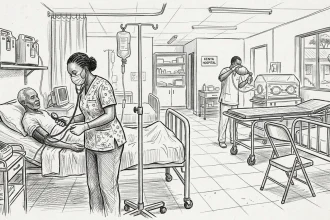
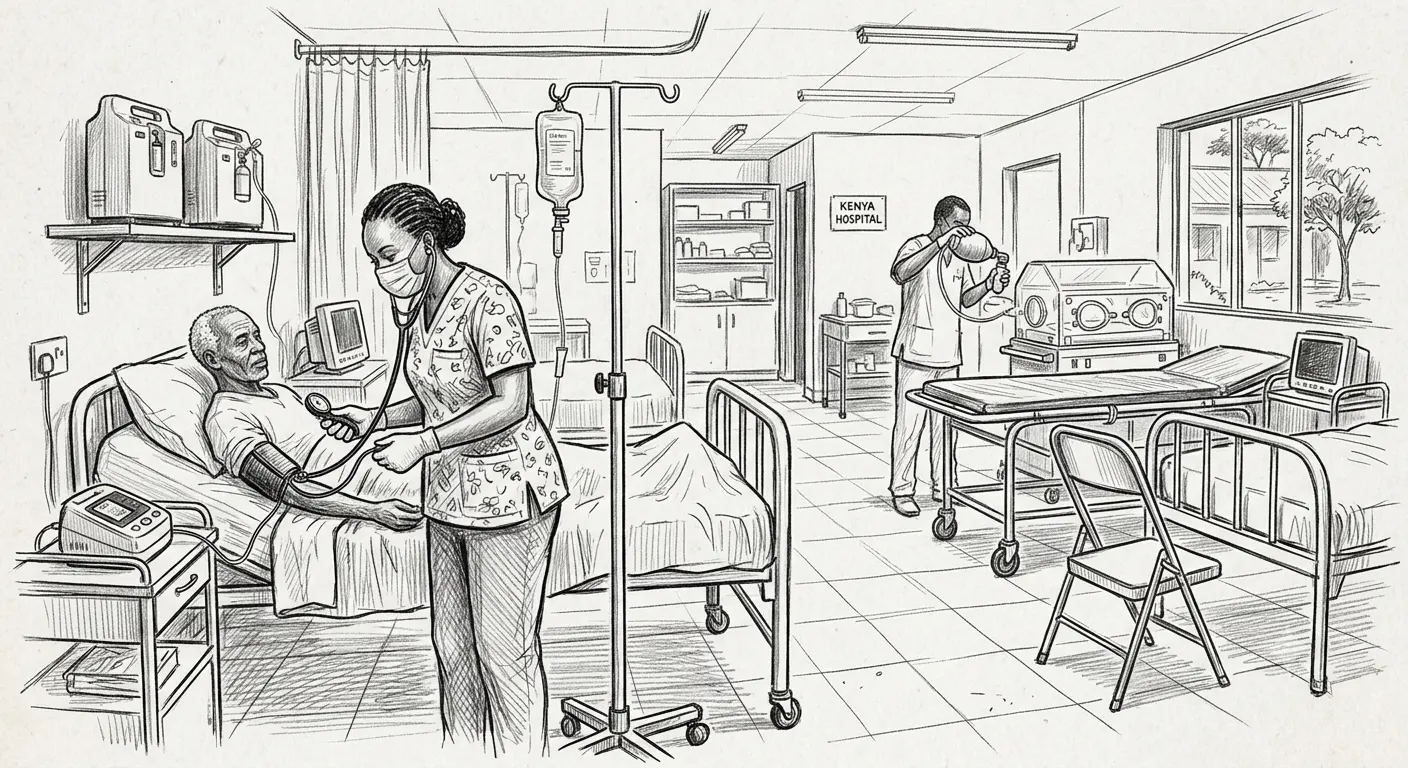
The Hospital Is Where SHA Becomes Real
From Nairobi, reform can look impressive because so much of it is administrative: a law is passed, a platform launched, contribution figures published.
A patient seeking proper and quality healthcare never meets an organisational chart. They meet the reception desk, the pharmacy, the laboratory and, finally, the bill.
The Ministry says that by June, SHA had accredited more than 11,000 facilities, of which 5,078 used SHA-HMIS and 2,978 submitted claims electronically.
It also reported that 6,228 public facilities, or 93 per cent, had been digitally transformed. Fewer than half of accredited facilities are on the new platform, and only about a quarter file claims electronically.
A national system must work across facilities with very different levels of staffing, connectivity and management capacity.
A sophisticated claims platform does nothing for a rural health centre with poor connectivity, or where the person running it has not been trained.
What counts is not how many systems are switched on, but whether they work when someone is ill.
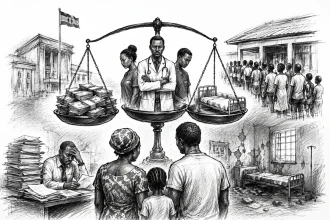
Money Has To Follow The Patient
The contract between SHA and care providers is crucial because it sets clear expectations on payments, quality, and standards, ensuring providers can plan and deliver services confidently within the reform framework.
This matters because providers need to know what they will be paid before they agree to deliver a service.
No hospital can sustain its role in a national insurance system if tariffs are unclear, claims are rejected without explanation, or payments arrive unpredictably, and smaller facilities, with less financial cushion, feel those delays first.
The contract must therefore create a measurable link between the service delivered and the money received. SHA should be judged on indicators that patients and providers can understand.
Average claims processing time, the share of clean claims paid within the contractual period, the number of rejections and their reasons, outstanding liabilities, and payment performance across public, private and faith-based facilities. Without those figures, no claim of improvement can be tested.
Digital System Is Now Part Of Healthcare
The move to SHA-HMIS may be the most important part of the reform because it ties financing to actual care.
The Ministry says the system will offer real-time patient verification, electronic claims management, digital provider authentication and secure data exchange with compliant hospital systems, and it expects better reimbursement, less fraud and greater accountability.
The logic is sound: in a fragmented system, duplication, error and fraud thrive, while in a connected one it is easier to establish who received which service, where, and at what cost.
But the same system creates a new risk, because it can become a barrier to care. If connectivity drops or a hospital’s software cannot talk to SHA’s platform, the problem stops being technical and becomes clinical.
That is why the promised phased transition, with onboarding support, training and safeguards for historical claims and beneficiary data, matters as much as the platform.
The design assumption should be that things will sometimes go wrong, and the question is whether a working fallback exists when they do.
Fraud, And The Inheritance Of NHIF
Health insurance is vulnerable to fraud because the money is tied to services that are hard to verify afterwards.
In April, the Ministry said its digital efforts had led to the closure of more than 1,200 facilities and the sanctioning of 22 doctors and 40 clinicians, and it put the SHA claims settlement rate at 74 per cent under a 90-day payment timeline.
These are government-reported figures and should be read as such, but they show the scale of the accountability problem.
SHA will not become sustainable simply by covering more people; it must know what it is paying for, which means accurate patient identification and documentation, reliable tariffs, and claims systems that flag unusual patterns without leaving legitimate patients waiting.
The reform must also carry the old system’s legacy. The Ministry said it had set aside KSh4 billion to begin settling verified claims under the defunct NHIF. Building the new system while managing the old system’s inheritance will determine whether it wins or loses credibility.
The Next Scorecard
In SHA’s first phase, the main question was how many people had registered. The next phase needs a scorecard that asks how long a patient waits for authorisation, how many claims are rejected and why, how long a clean claim takes to settle, and how much SHA owes providers at any given time.
It should also track how often digital systems fail, how many facilities can file claims without manual intervention, how much suspected fraud is detected and recovered, and whether patients denied a service have a clear route to appeal.
These numbers are less politically convenient than registration figures because they expose the reform’s machinery, but they are much closer to what patients experience.
The government is no longer just setting up a new health insurer; it is trying to run a new health-financing system at national scale, balancing providers, technology, money and patients at once.
The registration fight was loud because it touched almost everyone, while the next stage will be more technical and potentially more consequential.
If SHA can make money, information and medical services move together, Taifa Care begins to look like a working system rather than an institutional replacement.
If it cannot, Kenya will have built another layer of administration around a problem patients still meet at the hospital door.
SHA’s next test, then, is not whether Kenya is registered. It is whether Kenya can get sick and still find the system works.