




Kenya’s sporting identity is closely tied to distance running, which has built its reputation and supported training camps, sponsorships and sports tourism.
Cycling offers broader potential, linking competition with retail, coaching, tourism, event management, transport, fitness and athlete development in a growing international sport.
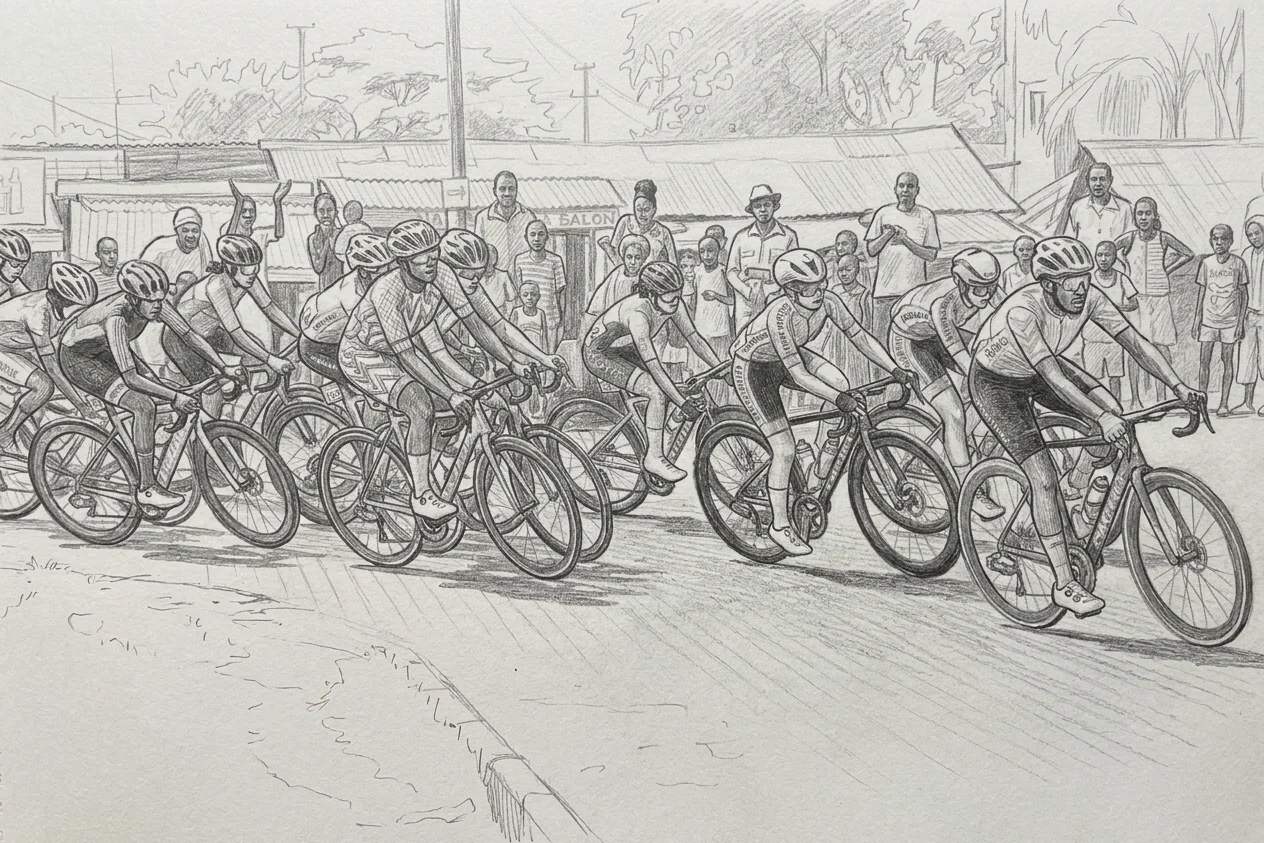
Kenya hosted the African Road Cycling Championships for the third consecutive year. The 2026 event ran in Kisumu from October 21 to 25, with junior, under-23 and elite races. The organiser, African Cycling Confederation, expected about 1,000 cyclists, officials, supporters and other visitors.
The championships raise a broader question: can Kenya develop cycling into a sustainable sport and economic activity whose benefits last beyond race days?
The Economics Of Hosting A Race
A continental championship brings visitors who need accommodation, meals, transport and technical services. Officials and organisers require venues and logistics, while spectators spend on hospitality and attractions. Local businesses may benefit, and the host city gains exposure to potential visitors.
Before the Kisumu championships, organisers and county officials highlighted tourism and business opportunities.
Kenya reported an estimate of more than Sh80 million in tourism-related earnings from the previous edition in Kwale County. This is an estimate, not an independently verified measure of net impact. Its calculation, the share retained locally and the public and private hosting costs all matter.
A busy hotel or restaurant alone does not prove a strong return on public investment. Spending may shift from other places or dates, while hosting incurs costs for security, traffic, roads, infrastructure and administration. Assessment should compare additional economic activity with total costs and identify who benefited.
Kisumu can document the event’s results: how many visitors came specifically for the championships, how long they stayed, and what local accommodation, transport, food and equipment businesses earned.
It should also record public spending and which facilities will remain useful. These findings can help future hosts decide whether and how to invest in cycling events.
From An Event To An Industry
The greater opportunity lies in economic activity between championships. Competitive cycling needs bicycles, gear, maintenance, coaching, nutrition, medical care, training facilities and events. Recreational cycling also supports guided rides, rentals, repairs, clubs, safe routes and tourism.
Kenya need not manufacture every component or launch a professional team overnight. Local businesses can provide repairs, retail, event logistics, coaching, hospitality and tours, while clubs and schools grow participation and talent.
The priority is building repeat customers and viable businesses, not relying solely on sponsorships or public events.
Tourism is worth exploring. Kenya’s varied landscapes, highlands, coast, and lakes could attract local and international cyclists if routes are safe, services are reliable, and communities benefit.
Race visitors might return for tours or training camps, depending on the quality of the experience, marketing, transport, accommodation, and support.
After Kisumu, the championships could launch a broader programme linking cycling with Lake Victoria tourism, hospitality and regional travel.
This requires evidence of demand — not the assumption that one event creates a destination — and partnerships among county authorities, tourism operators, cycling groups and businesses.
The Barriers Are On The Road, Too
Cycling’s commercial potential depends on safe riding conditions, especially where cyclists share roads with fast traffic and have little protection. Poor road surfaces, inadequate shoulders, dangerous junctions and weak enforcement can discourage participation and make organised rides difficult to sustain.
Equipment costs also create a barrier. Competitive cycling requires more than access to a standard bicycle: riders need discipline-specific equipment, maintenance, protective gear, and access to coaching and competition.
Families and young athletes may struggle to meet these costs, while clubs need sponsors, facilities and reliable programmes to develop talent over several years.
A successful cycling ecosystem goes beyond elite competition: schools and clubs introduce young riders, local races help them improve, coaches and mechanics build expertise, and sponsors fund teams and events with measurable audiences.
Talent identification is only the beginning if athletes lack the resources and competitive opportunities to progress.
The international dimension matters as well. The African championships bring together riders from countries with established cycling programmes, offering Kenyan athletes exposure to different competition standards and pathways.
But hosting an event does not replace sustained investment in training, coaching, equipment, and participation. The question is whether Kenya can build the domestic structure needed to turn occasional performances into long-term development.
What Should the Public Receive?
Sporting events often depend on a combination of public support, private sponsorship, commercial partnerships and the work of sporting federations. Each source has a role, but the arrangement should be transparent.
Public money may be justified where an event generates measurable economic activity, expands participation, improves facilities or strengthens the country’s international sporting position. It is less convincing when only organisers know the costs and the expected benefits remain vague.
Scrutinize legacy claims too: race-ready roads may not become lasting cycling assets, temporary hotel occupancy may not signal sustainable tourism, and successful championships may not expand the competitive athlete pool.
The legacy must be demonstrated through what remains after the visitors leave. For Kisumu, that could mean publishing a post-event report with visitor numbers, estimated spending, public costs, local supplier participation, media reach and plans for future cycling activity.
It could also mean creating a calendar of local events, building partnerships with clubs and schools, and identifying safe routes that support both recreation and tourism. These are proposals to evaluate, not outcomes to assume in advance.
Kenya’s reputation in sport gives it an advantage, but reputation alone does not build an industry. Athletics offers a useful lesson in the value of sustained training environments and international visibility, while also reminding policymakers that success requires institutions and pathways beyond a single competition.
Championships should therefore mark the beginning of a more demanding assessment. If Kisumu turned the event into repeat business for local enterprises, stronger community participation, safer cycling opportunities and a credible pathway for athletes, Kenya will have gained more than the prestige of hosting another continental competition.
It will have taken a step toward building a cycling economy—one whose value is measured not only in medals or visitor estimates, but in the people, businesses, and sporting opportunities that remain long after the race is over.