



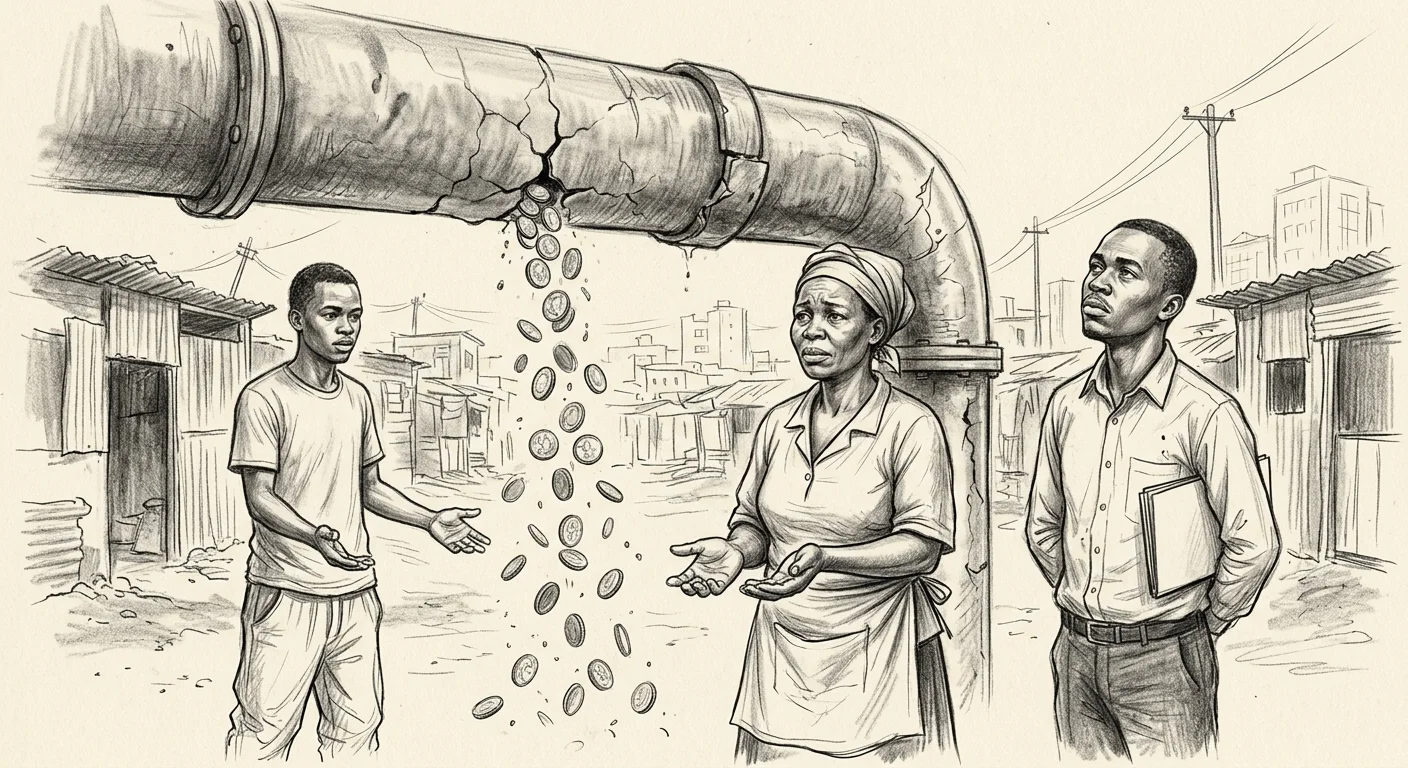
Kenya’s economic debate often focuses on raising revenue, reducing debt, attracting investment, creating jobs and restoring household purchasing power. While important, these issues are often treated separately.
The World Bank’s latest Kenya Economic Update links many economic constraints to a common cause: the quality of governance.
The report argues that corruption, collusion and weak institutions cost far more than stolen public funds. They influence government revenue and spending, infrastructure and service costs, borrowing costs, business performance and workers’ opportunities.
Its central finding is striking: under an ambitious reform scenario that brings corruption control closer to Senegal’s and São Tomé and Príncipe’s levels, Kenya’s economy could be over 20 per cent larger by 2035 than under a no-reform path. The scenario could also create 7.7 million additional, better-quality jobs.
These projections — not guarantees — show the opportunity in tackling institutional weaknesses. Kenya’s governance deficit goes beyond political integrity and public-sector ethics; it limits growth, competitiveness, and living standards.
The Fiscal Consequences Of Weak Institutions
Public finances are the first place to understand this relationship. Kenya faces fiscal pressure: interest payments consume government revenue, limiting funds for development, public services and infrastructure. The World Bank estimates that governance constraints add 2 per cent of GDP to the annual deficit.
Corruption weakens revenue collection, distorts tax policy, reduces compliance and enables diversion of public funds. Non-competitive procurement and inefficient infrastructure spending also mean the government pays more for less.
As Kenya relies more on borrowing, these losses force the government to borrow further, cut spending or raise revenue. Weak governance also increases borrowing risk premiums, as lenders consider repayment capacity, institutional reliability, policy predictability and resource management. Governance weaknesses heighten uncertainty and financing costs.
The World Bank estimates that improving Kenya’s corruption performance could cut external borrowing costs by Sh12.6 billion annually for public investment or debt costs.
High interest costs constrain Kenya’s fiscal flexibility. Revenue mobilisation and spending cuts alone can’t sustainably address debt while institutional weaknesses persist.
Fiscal discipline means tracking every shilling, allocating it transparently, and delivering measurable public value, not merely spending less.
Public Resources Shape Economic Opportunity
The report examines how governance shapes access to economic opportunities. Preferential licensing, politicised state-owned enterprise appointments, uncompetitive procurement and weak power purchase agreements can tie access to state resources to political and economic interests.
As a result, government decisions, contracts and regulatory privileges may be more valuable than productive investment.
These practices affect the wider economy. Uncompetitive procurement can raise the cost of infrastructure and services, while connection-based licensing can block new entrants.
Appointments that ignore institutional stability and technical needs can undermine public enterprises’ planning and performance. These distortions weaken competition and deter businesses that rely on predictable rules.
This matters because Kenya’s private sector is expected to drive job creation and economic transformation. When connections shape access to opportunities, productive firms struggle to compete and grow.
The World Bank reports that corruption is an increasingly significant business constraint: 39 per cent of firms called it a major or severe obstacle in 2025, up from 25 per cent in 2013. In addition, 36 per cent reported at least one bribery request in the preceding year.
These findings point to an institutional problem that occasional arrests or public declarations of zero tolerance for corruption cannot resolve.
Public procurement needs to be more transparent and competitive, licensing needs to be predictable, and conflicts of interest need to be properly managed. Ensure state enterprises have professional, accountable governance insulated from political interference.
The objective should be to create an economy in which the ability to compete depends on productivity, innovation and the quality of goods and services.
The Cost Of Inefficient Public Investment
Kenya’s infrastructure ambitions illustrate the economic costs of weak governance. The country has invested heavily in roads, energy, ports and other infrastructure, but returns depend not just on spending, but on sound planning, procurement, delivery and management.
The World Bank warns that non-competitive procurement and poor project management can raise costs, cause delays and reduce asset quality. Costs may persist after completion through expensive maintenance and repairs — especially damaging when development needs are high and public resources limited.
Overspending diverts funds from other roads, schools, hospitals, water systems and electricity connections. Delays also defer the economic activity projects were meant to enable.
The same applies to state-owned enterprises, which manage essential services such as electricity, transport and water. Their performance shapes the cost and reliability of services used by businesses and households. Management instability, political appointments and weak accountability can therefore affect the wider economy.
The World Bank argues that better governance in these institutions is not just public-sector reform, but essential to improving economy-wide productivity.
The Jobs Kenya Cannot Afford to Lose
The World Bank’s most consequential finding may be the link between governance reform and employment. Kenya’s challenge is not just creating jobs, but ensuring they are productive, high-quality, and provide sustainable incomes. With 83.8% of employment informal, that remains difficult.
Corruption compounds the problem. Bribes cut informal workers’ and small businesses’ earnings, while corruption and regulatory uncertainty deter formal businesses from investing, expanding and hiring.
The Bank projects that gradual improvements in corruption performance could create nearly three million additional jobs by 2035 compared with no reform; ambitious reforms could generate 7.7 million additional, better jobs. Institutional reform is therefore central to Kenya’s employment agenda.
Entrepreneurship agendas, credit, industrialisation and investment promotion matter, but rely on a supportive business environment. Unpredictable licences, bribes demanded from informal traders, and costly, inefficient public services show how governance shapes economic participation.
Turning Governance Into Economic Reform
These findings don’t suggest anti-corruption measures alone can solve Kenya’s economic challenges. Fiscal pressures, external shocks, skills shortages, infrastructure gaps and structural weaknesses also need attention. But governance reform can strengthen nearly every other economic intervention.
The report calls for stronger financial management, transparent procurement, better revenue administration and state-enterprise oversight, and safeguards against conflicts of interest. Kenya already has a substantial accountability framework; the challenge is applying it consistently.
Anti-corruption investigators and prosecutors need stronger institutions. Despite more Ethics and Anti-Corruption Commission investigations, few lead to prosecution. Measure success by lawful outcomes, recovered funds, and fewer repeat offences — not announced investigations or arrests.
Citizens and businesses need accessible information to scrutinise procurement, contracts, spending, and state enterprises — not rely on sporadic disclosures or investigations. Reform is credible when people see institutions improve.
Good governance helps manage the economy, reduce debt, attract investment, boost productivity and create better jobs. The World Bank estimates ambitious reforms could expand the economy and add millions of jobs by 2035. Success requires lasting political commitment, independent institutions and accountable distribution of resources and opportunities.
Debates on revenue, borrowing and growth sectors remain vital. Kenya must also consider what better- performing institutions could achieve with existing resources. The answer will shape its fiscal future and the jobs, investment and prosperity available to the next generation.
Governance deficits affect the economy, businesses and citizens whose opportunities depend on effective use of public resources. Governance reform is not separate from economic reform; it is essential to it.