





As Kenya works to reduce its reliance on imported edible oils, sunflower farming is emerging as a golden opportunity to transform local agriculture and drive grassroots economic growth.
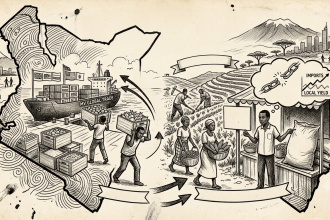
With an estimated annual edible oil consumption of around 900,000 metric tonnes and domestic production contributing a mere 80,000 metric tonnes, Kenya spends between Sh100 billion and Sh160 billion annually on imports, making edible oils its second-largest import, after petroleum.
In response, the Government has launched a comprehensive initiative to enhance local production and processing of edible oils, with a particular focus on sunflower farming.
This effort falls under the Bottom-Up Economic Transformation Agenda (BETA), which is designed to support micro, small, and medium-sized enterprises (MSMEs), encourage value addition, and promote food security and rural development.
One promising example is the sunflower oil processing cottage factory established by Daljeet Wirk Food Processors in Nambale, Busia County.
During a recent visit to the site, the Principal Secretary of the State Department of MSMEs Susan Mangeni praised the facility’s dual-impact model, which produces cooking oil for human consumption and repurposes waste as chicken feed, generating an additional income stream.
Accompanied by GIZ’s Dr. Christoph Zipfel and county leaders, Mangeni highlighted the initiative as a practical example of BETA in action.
The Government is actively facilitating access to certified sunflower seeds through organised farmer groups in every ward.
To ensure maximum productivity, each ward must mobilise at least 800–1,000 farmers.
Furthermore, successful wards will benefit from the installation of sunflower pressing machines, which streamlines the conversion of seeds into oil and enhances local value chains.
Other Government agencies are also playing a critical role. During the Open Week exhibition in Kabete, Kiambu County, Kenya, the Kenya Agricultural and Livestock Research Organisation (KALRO) chairman, Thuo Mathenge, announced a plan to engage at least 200 young people in each of Kenya’s 47 counties in sunflower cultivation.
This strategy not only boosts oilseed production but also addresses youth unemployment, offering a meaningful and sustainable livelihood.
Sunflower farming holds immense potential—not only to cut Kenya’s oil import bill but also to empower rural communities, especially women and youth.
With the proper support infrastructure, access to inputs, and guaranteed markets through public-private partnerships, sunflowers could become a reliable source of income across Kenyan counties.
As the country seeks to maximise its agricultural and industrial contribution to GDP, the sunflower value chain presents a beacon of hope for economic transformation, while also contributing to the health of Kenyans and reducing our foreign exchange exposure resulting from the current import of edible oils.
The youth and women of Kenya have an opportunity to convert the over 100 billion worth of imports into income for farmers.