





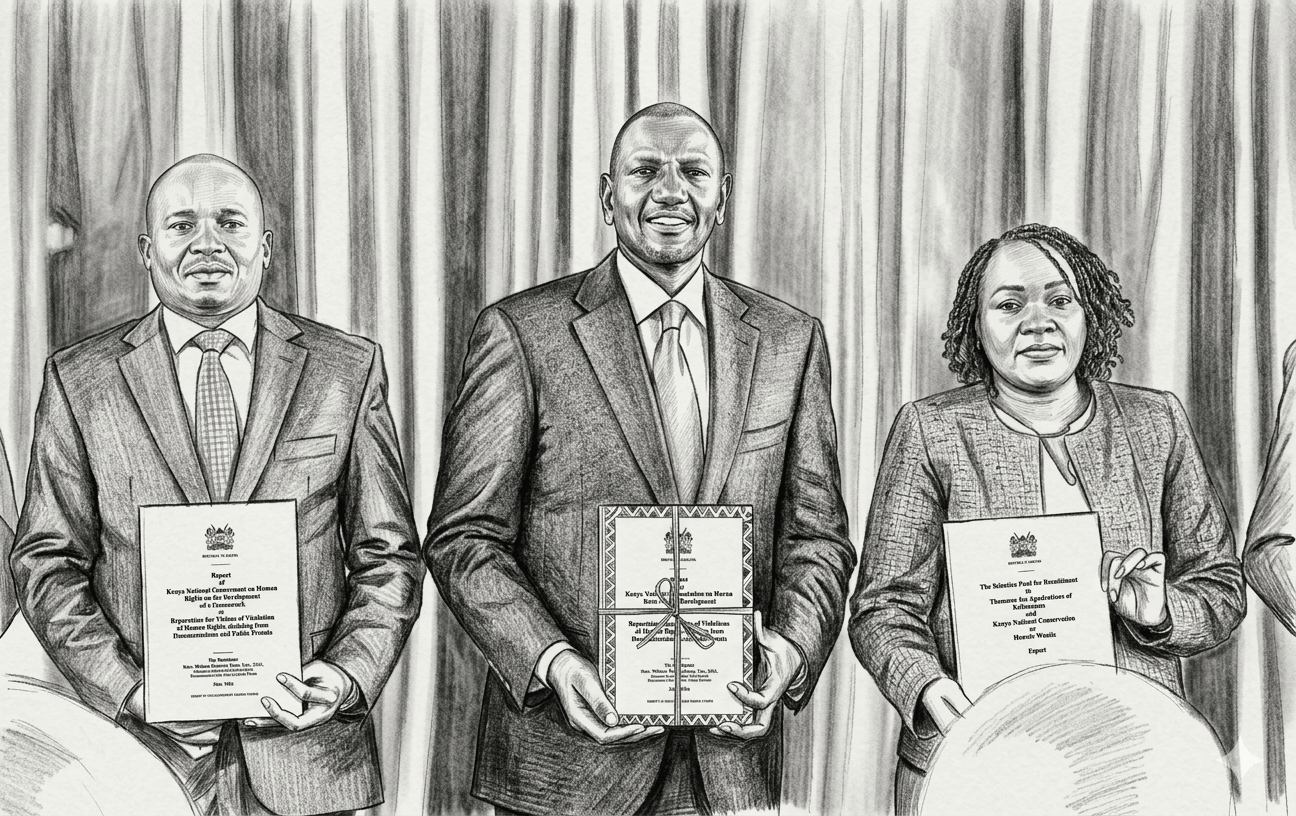
When a government acknowledges that citizens have been harmed by state forces, political violence or systemic abuse, it faces a choice: wait for victims to pursue individual court cases, or establish a reparations framework.
Kenya has chosen the second path.
What are reparations?
Reparations are measures a state takes to acknowledge harm and provide a remedy. The goal is not only financial, but it is also restoration, recognition and prevention.
How is it different from a court case?
In litigation, liability must be proved and damages calculated on a case-by-case basis. A reparations framework allows eligible victims to receive support without years of individual court proceedings.
Recognition of harm, not proof of guilt, is the starting point.
The five forms reparations can take:
Compensation: Direct financial payments to victims or families
Restitution: Restoring what was lost: jobs, property, status
Rehabilitation: Medical, psychological and social support
Satisfaction: Apologies, memorials, official truth-telling
Guarantees of non-repetition: Reforms to prevent future violations
Why the fifth pillar matters most
Without institutional reforms of police conduct, oversight structures, legal accountability, and reparations risk of compensating victims for harms that will simply occur again. Critics of Kenya’s proposed framework will be watching this pillar most closely.
A reparations framework addresses past suffering. Guarantees of non-repetition are meant to protect the future.