



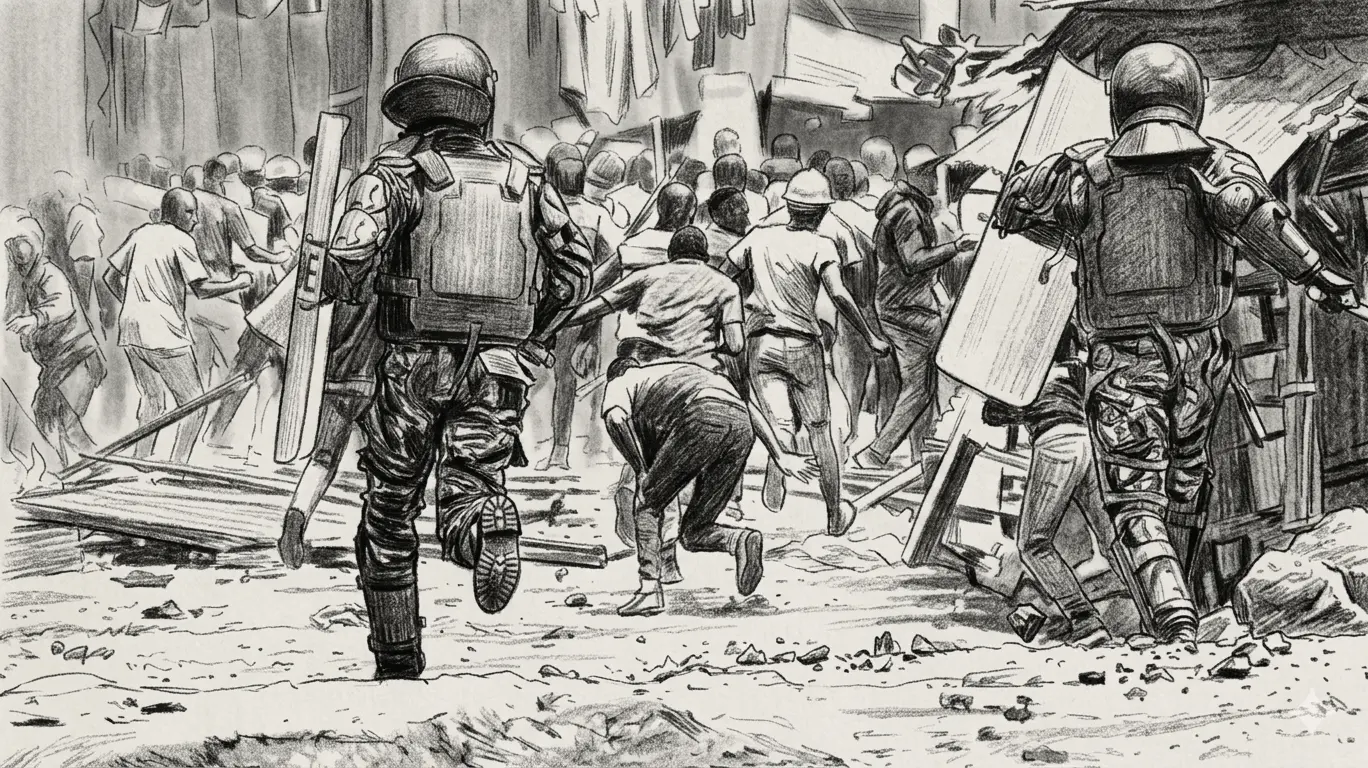
Two years after the 2024 protests triggered a profound legitimacy crisis, the Kenyan government’s acknowledgement of state-linked harm has transitioned from defensive posturing to strategic policy.
The establishment of a Sh15 billion reparations fund, following the Kenya National Commission on Human Rights (KNCHR) Reparations Framework Report, represents more than a humanitarian gesture; it is an explicit attempt to navigate the political fallout of a generational awakening.
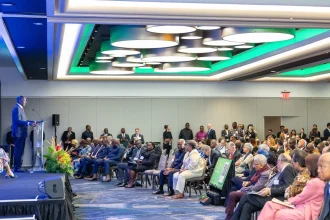
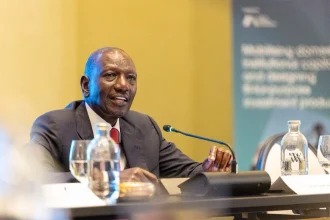
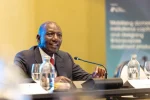
Standing before victims and rights activists, President William Ruto declared that “a nation heals by tending to its wounds.”
Yet, by framing the Sh15 billion fund as a primary mechanism for “healing,” the administration is effectively testing whether financial restoration can bridge the widening chasm between the state and a citizenry demanding systemic transformation.
For many Kenyans, it was the first official acknowledgement that the state bore some responsibility for what happened during the 2024 demonstrations and subsequent protest cycles.
For others, it raised a more uncomfortable question: can a government compensate for suffering while avoiding accountability for those who caused it?
The answer may determine whether Kenya is genuinely entering a period of national healing or merely managing the political consequences of unresolved trauma.
The Price of a Life
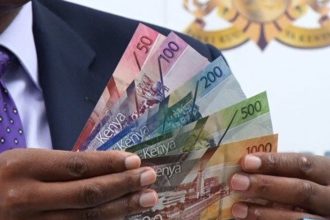
The proposed reparations framework covers victims of human rights violations committed during protest periods in 2017, 2024 and 2025. Under the framework, compensation ranges from Sh50,000 for less severe violations to as much as Sh2.5 million for cases involving death or enforced disappearance.
The government argues that reparations are intended to acknowledge suffering rather than assign criminal liability. By repeatedly emphasising that compensation is not an admission of guilt, the state utilises this distinction as a political tool to de-link financial restitution from institutional reform.
This allows the administration to manage the immediate optics of “healing” while insulating the security apparatus from the structural accountability that a criminal process would necessitate. That distinction matters.
A criminal prosecution seeks to determine responsibility and punish wrongdoing. Reparations seek to recognise harm and provide some measure of restoration. The two processes are related but not interchangeable.
For victims, however, the difference can feel academic. Families who buried sons and daughters after the 2024 demonstrations continue to ask the same questions they asked two years ago. Who gave the orders? Which officers fired live rounds? Why have so few investigations produced visible consequences?
Money may help pay school fees, medical bills and funeral debts. It cannot answer those questions. The government appears aware of this tension. In presenting the reparations programme, officials framed it as one component of a broader reconciliation process rather than a final settlement.
Whether that broader process materialises remains unclear.
A Nation Heals?
The language of healing has become central to the government’s messaging. President Ruto’s assertion that nations heal by tending to their wounds reflects a growing recognition that the political crisis of 2024 was not simply a security challenge. It was also a legitimacy crisis.
The protests exposed a widening disconnect between state institutions and a younger generation of Kenyans who increasingly view government through the lens of accountability rather than patronage.
Many of those who took to the streets were not aligned to political parties. They were mobilised through digital networks, united by economic frustration and empowered by social media platforms that traditional political actors struggled to control.
The demonstrations altered the country’s political landscape. They also altered public expectations. For decades, official commissions, inquiries and task forces have produced reports that generated headlines before disappearing into government archives.
The public’s willingness to trust new initiatives is therefore limited. The reparations framework enters this environment carrying a burden far larger than compensation itself. It is being judged not only on the payments it promises but on what it represents.
If implemented transparently and accompanied by institutional reforms, it could become a rare example of a state acknowledging wrongdoing and attempting corrective action.
If delayed, politicised or selectively applied, it risks becoming another symbol of promises made and forgotten. The challenge for the government is that healing requires more than recognition. It requires trust, which remains in short supply.
Parallel Realities
The strategic nature of the reparations fund becomes most apparent when analysed alongside the state’s sluggish response to the crisis of gender-based violence (GBV) and femicide. This disparity serves as a study in how the state prioritises systemic social harm versus threats to political stability.
Over the past two years, Kenya has witnessed growing public outrage over rising cases of women being murdered, often in circumstances involving intimate partners or acquaintances.
The crisis prompted the establishment of a Presidential Taskforce on Gender-Based Violence and Femicide, which produced recommendations aimed at prevention, protection and prosecution.
Yet implementation has been slow. Many recommendations remain largely aspirational. Funding has been limited. Institutional coordination remains weak. Families continue to navigate a justice system that often appears overwhelmed by the scale of the problem.
This creates a revealing analytical contrast: the state is moving with relative speed toward compensation for protest-related abuses because those demonstrations posed a direct threat to state stability and international legitimacy.
In contrast, the systemic social harm of GBV, while producing widespread grief, unfolds in private spaces and does not fundamentally challenge the state’s immediate grip on power. Consequently, recommendations from the Presidential Taskforce on GBV remain largely aspirational and underfunded.
In one case, the state is moving toward compensation for victims of protest-related abuses. In the other, victims’ advocates continue to press for action on recommendations already pending before the government.
The disparity does not mean one group deserves assistance more than another. Rather, it raises questions about how governments prioritise suffering.
Political violence generates immediate national attention because it threatens state stability. Gender-based violence often unfolds in private spaces, producing grief that is widespread but less visible.
Yet both represent failures of protection. Both involve citizens harmed under circumstances where the state carries obligations. And both require more than statements of concern.
The lesson from the reparations framework may ultimately extend beyond protests. If Kenya accepts that victims of state-related abuses deserve acknowledgement, compensation and reform, the same logic inevitably applies to other forms of violence that continue to scar society.
Beyond Compensation
As the 2027 election cycle approaches, the reparations initiative serves as a litmus test for the government’s broader electoral strategy. It is an attempt to neutralise the “Gen Z” political movement by addressing the material consequences of the 2024 crackdown without conceding the structural reforms the protesters initially demanded.
The ultimate success of this policy will depend on whether the public accepts state-led “healing” as a substitute for justice. While the Sh15 billion fund is a significant recognition of harm, it exists in tension with a public that increasingly views accountability through the lens of institutional change rather than patronage-style compensation.
Kenya today finds itself at a crossroads: leveraging diplomatic visibility and financial “bandages” to manage domestic unrest, while the underlying injuries of the 2024 crisis remain largely unaddressed.
Whether this fund bridges the gap to national stability or becomes another symbol of unfinished business depends on whether the state has the political will to confront the very structures that caused the injury.