




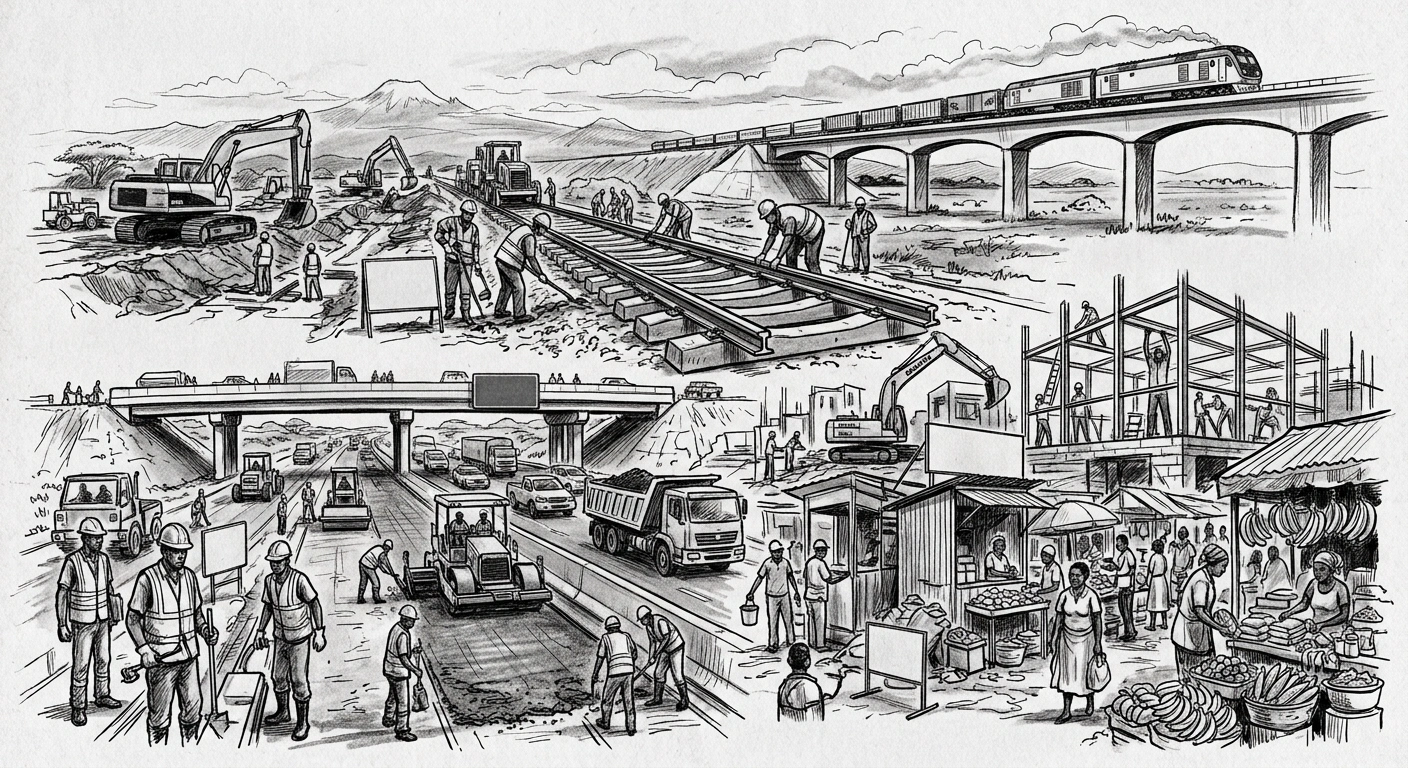
Judging a government is harder than counting projects. A road, hospital, housing estate or digital platform is visible, but visibility does not necessarily tell us whether a government has delivered on the promise it made to citizens. A useful government scorecard should ask at least five questions.
1. What did it promise?
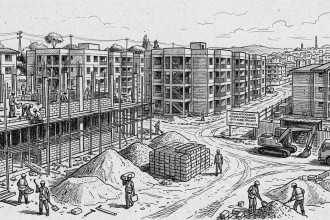
The starting point is the manifesto and the commitments made before taking office. A government should be judged against what it said it would do, not only against what it later chose to highlight. If the promise was one million houses and the government builds 230,000, that is both progress and a shortfall.
2. What has actually been delivered?
Promises must then be tested against measurable outputs: kilometres of roads completed, houses built, electricity connections made, people covered by healthcare, jobs created or services moved online. This is where government claims need to be supported by verifiable numbers rather than political rhetoric.
3. What changed for citizens?
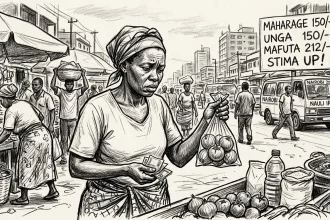
Outputs are not the same as outcomes. Training young people is not necessarily the same as creating employment; registering millions for SHA is not the same as ensuring they can access healthcare; lower inflation does not mean prices have fallen. The real test is whether people’s economic and social circumstances have improved.
4. Who benefited?
National averages can conceal enormous differences. Growth may benefit formal businesses while informal workers struggle, or infrastructure may transform one region while another waits. A serious scorecard therefore asks not only whether Kenya gained, but who gained.
5. What did it cost?
Every achievement has a price. Government must be assessed against borrowing, taxation, opportunity costs, environmental consequences and the institutional or social costs of implementation. A project cannot be judged solely by what it produces without considering what Kenya sacrificed to produce it.
The final measure is therefore not how much government has done, but how much of what it promised has produced meaningful, sustainable and fairly distributed change.
That is the difference between a project list and a government scorecard.