


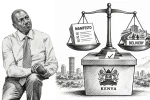


Every audit in this issue has turned on the same distinction: outcomes the state controls directly, and outcomes it can only influence. Foreign policy is where that distinction gets tested hardest, because a foreign capital, a gang in Port-au-Prince, or a fractious US Congress owes Kenya nothing.
Judged on visibility alone, William Ruto’s four years abroad have been the most active of any Kenyan presidency in a generation – climate finance platforms, AI governance forums, regional convening, and a first-of-its-kind security deployment.
Judged on hard return, the record splits cleanly into one genuine win and one genuinely costly commitment whose payoff remains contested.
AGOA: The Clearest Win
Trade policy offers the administration’s strongest diplomatic case. When the African Growth and Opportunity Act lapsed at the end of September 2025, Kenyan apparel exporters faced tariff spikes overnight, threatening an industry that supports tens of thousands of direct jobs and hundreds of thousands of livelihoods along the value chain.
What followed was a year of sustained lobbying by the Kenyan government alongside the private sector, which produced first a one-year retroactive extension in February 2026, and then – after further negotiation through the summer – a US Senate vote in August securing duty-free access through December 2028, with eligible exporters entitled to refunds on duties paid during the lapse.
This is a rare case in the diplomacy file where the causal chain is clean: a real threat to Kenyan jobs, sustained diplomatic and private-sector pressure, and a legislated outcome with a specific expiry date the public can hold government to.
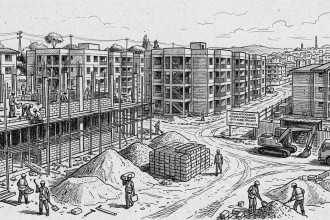
It is the diplomatic equivalent of the housing and fertiliser wins in this issue’s domestic scorecard – an area where persistent engagement produced a measurable result.
The caveat is one the government has itself voiced: a trade preference secured through lobbying is not the same as structural competitiveness.
Kenya still lacks significant domestic fabric production capacity after two and a half decades of AGOA access, meaning the 2028 deadline effectively resets the same vulnerability rather than resolving it.
Haiti: Standing Without a Clean Verdict
If AGOA is the diplomacy file’s clearest asset, Kenya’s leadership of the UN-backed security mission in Haiti is its most complicated one.
Kenya volunteered in 2023 to lead a multinational police deployment few other countries wanted to lead, eventually contributing over a thousand officers in successive contingents from mid-2024 through early 2026 – a genuinely novel act of African-led international security provision, and one Ruto has cited as evidence that Kenya can shape global affairs rather than simply consume decisions made elsewhere.
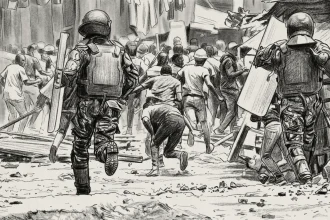
The mission’s operational record has been harder to defend. It arrived undermanned against its own 2,500-officer target, was chronically underfunded relative to its estimated cost, and was reported by international observers to be struggling against gangs that, by some UN estimates, controlled up to 90 per cent of Port-au-Prince.
In March 2026, Kenya began withdrawing its officers as the mission transitioned into a larger, better-resourced, US- and Panama-backed Gang Suppression Force – a transition presented domestically as mission accomplished, but which coincided with continued displacement and insecurity in Haiti itself.
The honest accounting is neither triumphalist nor dismissive. Kenya secured real diplomatic standing – a seat in Washington and at the UN Security Council table that a country of its size does not automatically receive – for a financial and personnel commitment whose Haitian outcome remains genuinely unresolved.
That is a different kind of gap from the domestic scorecard’s “promise versus delivery” pattern; here, the delivery happened, but the underlying problem it was meant to solve has not gone away.
The Middle Tier: Visibility Without a Ledger Line
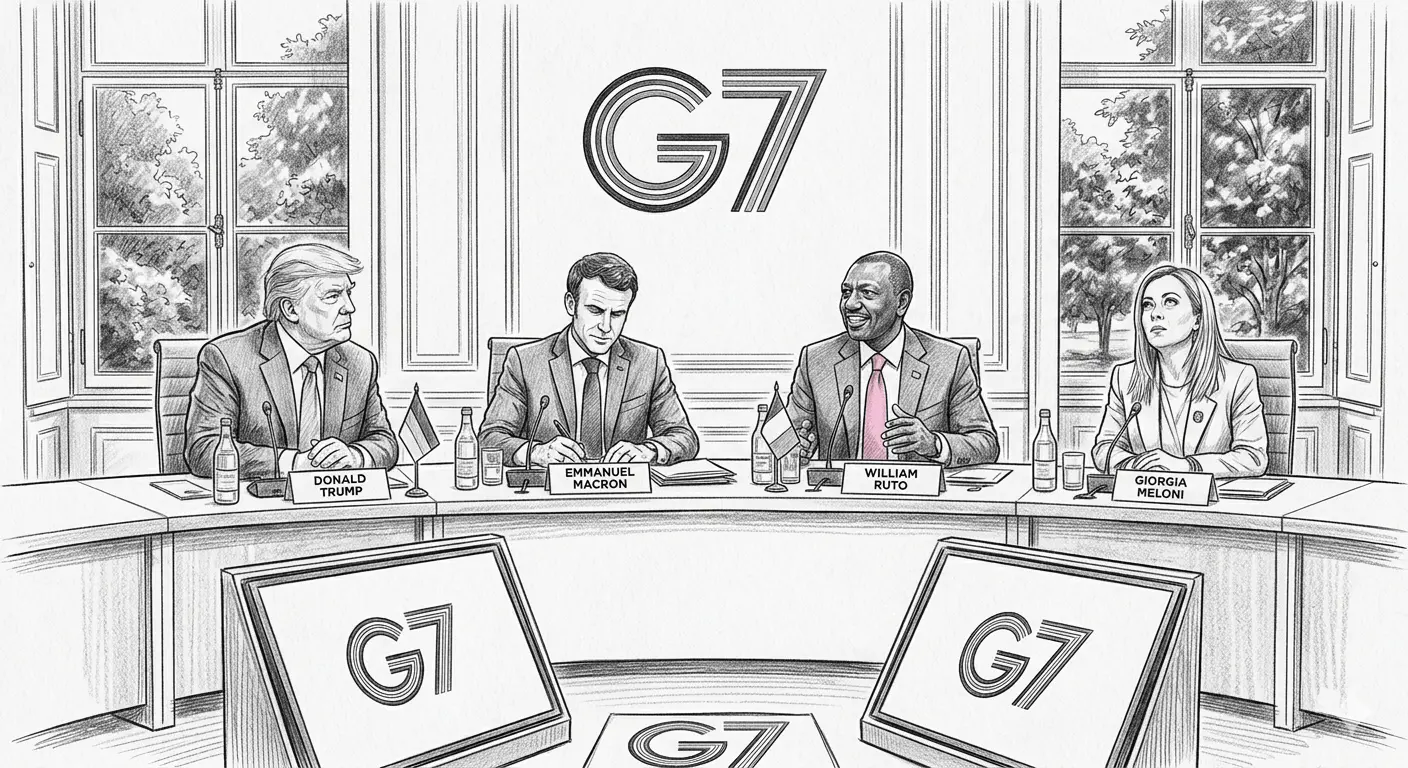
Between these two poles sits a cluster of initiatives that generated attention without a clear, attributable financial or policy return: Kenya’s push for AI safeguards for African children and Kiswahili-language safety measures at the G7 summit in Évian, and the country’s broader positioning as a climate-finance voice on the continent.
These are legitimate exercises in agenda-setting – a country of Kenya’s size does not often get to shape conversations at that table –, but none has yet produced a dated commitment comparable to AGOA’s 2028 deadline, or a measurable financial inflow the government can point to the way it points to housing units or fertiliser bags.
The UN is set to expand its Nairobi office as more agencies move from New York, and Ruto has been at the forefront of seeking reforms at the global body, and this may give Kenya an edge in the future.
The Verdict
The government’s case: Kenya is more diplomatically visible and more central to global conversations on trade, security and technology than at any point in recent memory, and one of its highest-stakes gambits – AGOA – has paid off with a dated, legislated result.
The opposition’s case: an outward-facing presidency has come at real cost – financial, in Haiti’s case, and in political attention that critics argue has drawn focus from the household-level pressures documented elsewhere in this issue – for returns that in several cases remain difficult to price.
Both arguments draw on real evidence, and neither should be allowed to cancel the other out.
Diplomacy under Ruto has produced the same pattern as his domestic record: real, verifiable wins where a clear counterparty and a clear deadline existed, and a murkier picture wherever Kenya’s leverage depended on factors it could not fully control.