





Kenya’s theatre industry faces a curious contradiction: stages are busy, productions are growing, international performers are visiting Nairobi, and festivals are becoming more ambitious. Yet one question remains: who is watching?
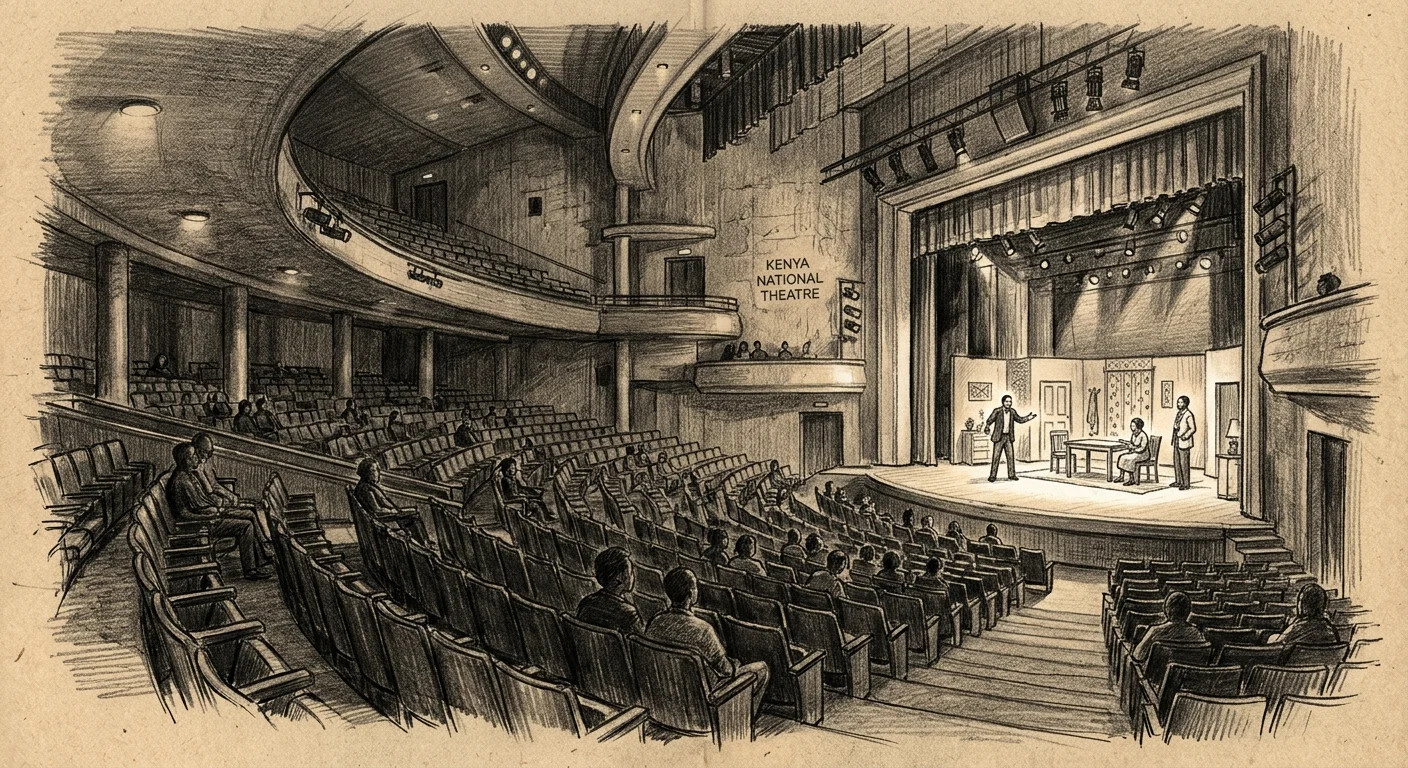
The 11th Kenya International Theatre Festival (KITFest), running November 4–15 at the Kenya National Theatre, explores the industry’s promise and challenges. Under the theme “Reimagining Theatre”, it features 48 global performances, including plays, dance, physical comedy, poetry, puppetry and experimental work.
But the festival’s significance lies not only in its productions or international reach. The larger question is whether Kenya can build a broad, diverse audience that sustains theatre beyond the festival calendar.
Producing excellent plays, nurturing talent and hosting international festivals do not automatically create a public that regularly pays to see live performance. Kenya’s next stage of development may depend less on what happens on stage than on who can afford a seat in the auditorium.
A Growing Industry With An Audience Problem
Kenya’s theatre ecosystem is more active than often assumed. The Kenya National Theatre and other venues host year-round productions, while independent companies, schools, universities and cultural organisations develop new work.
The Kenya Cultural Centre’s March 2025 newsletter reported 321 shows at the National Theatre last year, involving at least 1,072 crew and drawing 33,790 attendees. Performances generated Sh25.3 million for artists, while theatre activities across 63 nationwide venues extended the ecosystem beyond Nairobi.
These figures show theatre’s role in employment and the economy, but raise questions. The annual audience averages about 105 people per show, though the data does not reveal unique attendees, venue capacity, differences between productions or whether audiences return.
That distinction matters: a sustainable industry needs repeat customers, predictable demand and year-round spending.
Despite the festival’s growth and international ambitions, audiences remained relatively narrow, with many students and theatre practitioners; some performances drew few people. The industry cannot address this simply by staging more shows.
The Price Of Taking A Seat
The cost of attending theatre is central to the conversation, but affordability must be considered alongside how Kenyans spend their leisure time.
At KITFest 2026, student tickets generally start at Sh500, while advance tickets for many productions cost about Sh1,200.
Prices vary by production; festival passes range from Sh2,000 for a day to Sh13,000 for all paid performances.
These options create entry points for students and audiences attending multiple shows, but theatre still competes for limited household leisure budgets. Tickets are only part of the cost: transport, meals, parking and time add to the expense for families, couples and groups.
The challenge grows when theatre is seen as an occasional cultural outing rather than accessible entertainment. Cinema, television, streaming, music, comedy and digital content offer competing ways to spend leisure time — often with easier access, less planning and the option to stay home.
Theatre offers a distinctive live, shared experience, but that alone cannot secure a repeat audience. It must be attractive, accessible and relevant.
Geography matters, too: venues concentrated in central Nairobi can exclude people in satellite towns and lower-income neighbourhoods, where travel costs and inconvenience create further barriers, especially for young audiences.
To grow its audience, the industry must consider not just what people pay, but where they must go.
Taking Theatre Beyond The Traditional Audience
One of KITFest 2026’s most interesting developments is its effort to bring theatre to traditionally excluded audiences.
The festival’s “Raise the Curtain: 2,000 First Seats” campaign invites people who have never experienced theatre into the auditorium.
It allocates 1,500 seats to children from under-resourced schools, homes, and communities such as Kibera, Kawangware, and Korogocho. The initiative also aims to improve access for blind and deaf audiences and people with mobility challenges.
Audience development cannot rely on ticket sales alone. It requires investment in introducing new people to theatre and making performances accessible.
A child’s first visit may spark a lasting interest, and schools can support this by integrating theatre into learning, arranging visits and involving students in productions.
But one festival performance is only a start. A school culture of regularly watching, discussing and performing theatre can have a deeper impact.
County festivals, touring productions, community performances and partnerships with local cultural institutions could build audiences nationwide.
The Kenya Cultural Centre’s recognition of theatre activity at 63 venues offers a foundation for a more distributed industry. The challenge is to link these spaces with regular programming, local audiences and viable production models.
Theatre should not have to wait for an international festival to become visible.
The Business Behind The Performance
Audience questions are inseparable from theatre economics: productions must cover creative, technical, venue, marketing, rehearsal and operating costs before generating sustainable returns.
Independent companies face major risks: even favourable reviews may not generate enough ticket sales to cover costs. Sponsorships, partnerships, education programmes, touring, commissions and licensing diversify revenue and reduce ticket dependence.
Alongside KITFest, the African Theatre Market brought artistic directors, producers, programmers and funders together to explore partnerships beyond individual performances.
The industry needs reliable audience data on who attends, how often, what draws newcomers, willingness to pay, and which communities are underserved. Without it, producers and sponsors rely on assumptions, not evidence.
Digital marketing can broaden reach, but cannot replace a clear audience-development strategy. The industry must understand what draws students, families, corporate audiences, tourists and regular theatre-goers—and show why live performance merits attention amid competing entertainment options.
Building A Culture, Not Just A Festival
Kenya’s theatre industry has shown it can mount ambitious productions, attract international participants and create platforms for local artists.
KITFest’s 11-year history demonstrates the commitment needed to sustain such work. The industry’s future, however, depends on building a broader relationship with the public.
This requires action from multiple players. Government and cultural institutions must support accessible venues, arts education and regional infrastructure. Schools and universities should treat theatre as more than an extracurricular activity.
Producers need quality work that speaks to diverse audiences, while sponsors should consider long-term investment in the creative economy, not just one-off festival partnerships.
The industry must also address relevance. Kenyan audiences should see their experiences, languages, histories, conflicts and aspirations onstage. International productions and exchanges enrich theatre, but local work must remain rooted in its society.
In a country with a rich storytelling tradition and a young population, theatre need not remain niche. The challenge is turning that heritage into a sustainable bond between performers and audiences.
KITFest closes on November 15. The productions will end, visiting performers will leave, and the festival’s temporary burst of cultural activity will disperse. The harder work is building audiences for future productions, seasons and generations of performers.
Kenyan theatre is alive. The question is whether enough people have the opportunity, reason and incentive to take part.