




Kenya is pursuing major projects in highways, water, electricity, irrigation, and urban facilities to boost economic activity, improve public services, and expand productive capacity.
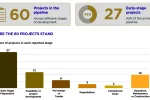
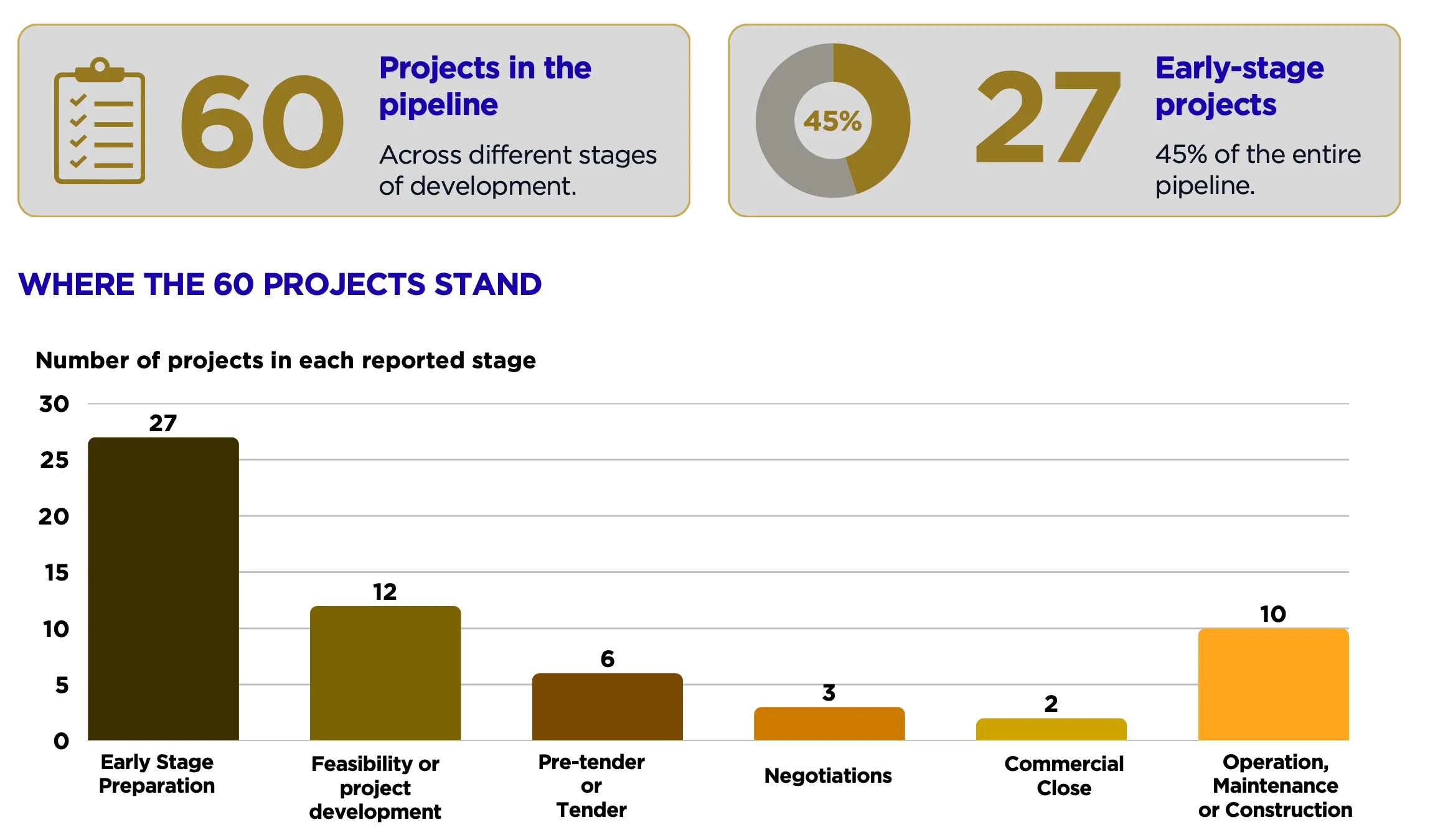
Yet the Public Private Partnerships (PPP) Directorate’s latest status report raises a key question: how much ambition is nearing delivery, and how much remains on the road from proposal to implementation? The report covering the period to September 30, 2026, lists 60 projects at different stages of the PPP cycle.
The pipeline includes projects operating or under construction, commercially closed agreements, projects in negotiation or procurement, and early- stage proposals.
That’s a substantial investment pipeline, but planned projects aren’t delivered infrastructure, and their number alone doesn’t show the economic value citizens will receive.
The key question is what happens between promise and delivery: which projects secure financing, pass technical and commercial scrutiny, stay on budget, and deliver benefits worth their financial obligations.
From Announcement To Delivery
Of 60 projects, 27 remain in early preparation, 12 are in feasibility or development, six are in pre-tender or tender, three are in negotiations, and two have reached commercial close.
The report groups another 10 projects under operation and maintenance or construction. These categories reflect maturity: early-stage projects may need feasibility work and a transaction adviser; tender-stage projects are further along, but procurement isn’t construction.
Commercial close means the parties have signed the project agreement, but financial close may await fulfilled conditions. Assess construction progress against completed work, the schedule, and the eventual service.
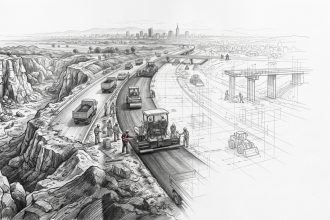
The road sector shows the contrast: major proposals alongside projects under construction.
The Sh183 billion Nairobi–Nakuru–Mau Summit Highway and Maai Mahiu–Naivasha section are under construction. The 139-kilometre project upgrades the Rironi–Gilgil and Rironi–Maai Mahiu–Naivasha routes. By the end of September, early works were 34.96 per cent complete on Section 1 and 10.38 per cent on Section 2.
By contrast, the Nairobi–Mombasa Expressway remains in early-stage preparation. The proposed 461- kilometre project would expand the existing road from two lanes to at least four and convert it into an access-controlled tolled road.
Its estimated project value is listed as undetermined, and the procurement of a transaction adviser was still underway, with bids under evaluation at the reporting date.
Both projects serve key transport corridors but are at different stages of delivery — which matters to businesses planning logistics, communities expecting better connectivity, and policymakers gauging how quickly investment can drive economic gains.
Costs matter too. The Sh183 billion highway estimate doesn’t prove that amount was spent, just as no final Nairobi–Mombasa Expressway cost doesn’t mean it will be cheap. The public needs details on financing, risk allocation, repayments and tolls to assess the project.
The Projects That Touch Everyday Life
The PPP pipeline affects households and businesses beyond roads and transport corridors. Delays in water supply and food production can raise living costs, alter investment decisions and limit local economic opportunities. Two proposed water projects illustrate the scale of the ambition.
The Lamu desalination plant is estimated to cost Sh106.1 billion, with an initial capacity of 120,000 cubic metres daily. The Sabaki Water Carrier is estimated at Sh27.9 billion, with a planned capacity of 80,000 cubic metres daily. Both were listed as under negotiation in the September report.
These investments could provide water for households, businesses and future development. Their scale makes affordability and financing unavoidable concerns.
What will consumers pay, and how will construction and operating costs be recovered? Which public entities or consumers will bear the burden? What safeguards will ensure affordability and maintain the infrastructure? The report estimates project costs and capacity but sets no final tariffs or confirms financial close.
These are central — not peripheral — considerations in deciding whether new water infrastructure will be financially sustainable and accessible to intended users.
The same test applies to proposed agricultural projects. The Tana Delta Irrigation Project would lease 10,000 hectares of undeveloped land to private investors for irrigated rice.
The Tana Integrated Sugar Project, part of the 31,000- hectare Tana Delta scheme, would allocate 6,000 hectares to sugarcane, with biofuel, power and livestock-feed facilities. Both remained in early preparation after their concept notes were approved in June 2025.
The proposals reflect a wider ambition to use infrastructure to boost domestic production, develop agro-industrial value chains and create jobs. But their contribution to food security will depend not just on planned acreage, but also on water availability, environmental safeguards, land and community issues, market access, financing and commercial viability.
Newer pipeline initiatives also need scrutiny. In Q1 2026/27, the government approved seven projects, including a National Food Crops initiative under the Warehouse Receipts System and a Makueni County Fruit Processing Plant. Approval advances projects through the cycle but does not mean new storage or processing capacity is operational.
The Funding Test Behind The Public Promise
The PPP model brings private capital, expertise, and operational capacity to public infrastructure. But private participation neither eliminates project risk nor erases costs; it changes investment structures, responsibilities, and returns.
Public assessments of projects must look beyond headline value. Citizens and legislators need to understand funding, the risks the state retains, the consequences of lower-than-expected demand, and whether the proposal offers better value than viable alternatives.
The proposed Thuci Dam Infrastructure and Associated Facilities illustrates why scrutiny matters. In August 2026, the privately initiated proposal was terminated during development after its proponent failed PPP due diligence requirements. The contracting authority was directed to consider another procurement route.
This termination does not prove the wider PPP programme is failing. It shows that infrastructure promises alone are not grounds to proceed: responsible development requires due diligence and a willingness to stop or reconsider proposals.
The public must also be able to assess the reasons for major decisions. For projects advancing toward agreements and financing, this requires access to feasibility findings, risk assessments, payment commitments, and the terms investors expect to recover their investment.
Assess proposed tolls, tariffs, and other user charges for affordability, and disclose public funding and guarantees in clear terms, including the state’s potential exposure.
The September report provides a useful status snapshot, but it does not answer all these questions. Answering them requires examining individual project agreements, feasibility studies, financial and risk assessments, procurement documents, and subsequent progress reports.
A Pipeline Is A Starting Point, Not A Development Scorecard
Kenya’s PPP portfolio should not be judged only by project counts, estimated investment or strategic language. These show ambition, not whether needed infrastructure is delivered affordably.
A useful public scorecard would track projects through approval, procurement, contract signing, financial close, construction, completion and performance. It should report schedule delays, explain significant cost changes, identify who bears financial risks and assess whether infrastructure provides its promised service.
For operating projects, ask what service is available, to how many people, at what cost and with what reliability. For construction, verify progress and explain delays. Early proposals need credible evidence of need, affordability and feasibility before projected benefits are treated as likely.
The government’s September 2026 report lists infrastructure proposals at varied stages. Some are advancing through construction and procurement; others face technical, commercial or financing hurdles. Explanations and evaluations should make those differences clear.
Kenya has development ambition. The challenge is turning it into completed roads, accessible water, productive power and agricultural infrastructure that helps businesses and farmers build dependable markets.
The pipeline’s real measure is not its project count, but how many reach reliable public service — and whether their benefits justify their cost.