





Governments are often judged by their ambitions — promised roads, jobs, investments and reforms. But citizens judge the state more immediately by whether essential public services are available when needed.
Kenya’s prolonged public university disruption and ongoing public health officers’ strike merit joint examination. Though they involve different institutions, responsibilities, and demands, both question the government’s ability to turn commitments into services.
When lecturers stay away from classrooms for weeks, and public health officers spend months away from their workplaces, the consequences extend well beyond the negotiating tables.
By October 23, the nationwide strike by university academic and non-academic staff had entered its fourth week after negotiations over the 2025–2029 collective bargaining agreement (CBA) collapsed.
Public health officers, meanwhile, were marking the 92nd day of their nationwide strike, demanding, among other things, the signing of their collective bargaining agreement and the recruitment of additional personnel.
The length of these disputes points to more than an inability to reach agreement; it raises questions about planning, financing, accountability, and how seriously the government treats its commitments.
Universities’ Strike Is More Than Salaries
The university dispute shows how failing to resolve an employment agreement can expose deeper weaknesses in public institutions’ financing and management.
The Universities Academic Staff Union (UASU), Kenya University Staff Union (KUSU) and Kenya Union of Domestic, Hotels, Educational Institutions, Hospitals and Allied Workers (KUDHEIHA) began a nationwide strike on October 2 after talks with the Inter-Public Universities Councils Consultative Forum failed to reach an acceptable settlement.
The unions want the government to conclude and implement the 2025–2029 CBA, settle outstanding salary arrears, and provide a clear, binding commitment on how it will finance the resulting obligations.
They also raised concerns about allowances, medical cover, pensions, staffing and workloads. They argue agreements cannot be reliably implemented without credible funding, and have petitioned Parliament to intervene and secure a binding commitment.
The government, however, faces a substantial fiscal question. Education Cabinet Secretary Julius Ogamba told Parliament that the unions’ demands would cost about Sh100 billion, calling the amount unaffordable and unsustainable.
The government is considering an offer above the initially discussed Sh9.7 billion, while unions reject proposals they deem inadequate and poorly negotiated. These are competing positions, not a final settlement.
The dispute is not simply about workers seeking higher pay versus government spending cuts. The key question is whether the state has a credible process to agree on employment obligations, cost them, identify funding and deliver funds to institutions on time.
If commitments are repeatedly deferred until workers withdraw their labour, industrial action becomes the mechanism that forces unresolved public-finance questions back onto the national agenda.
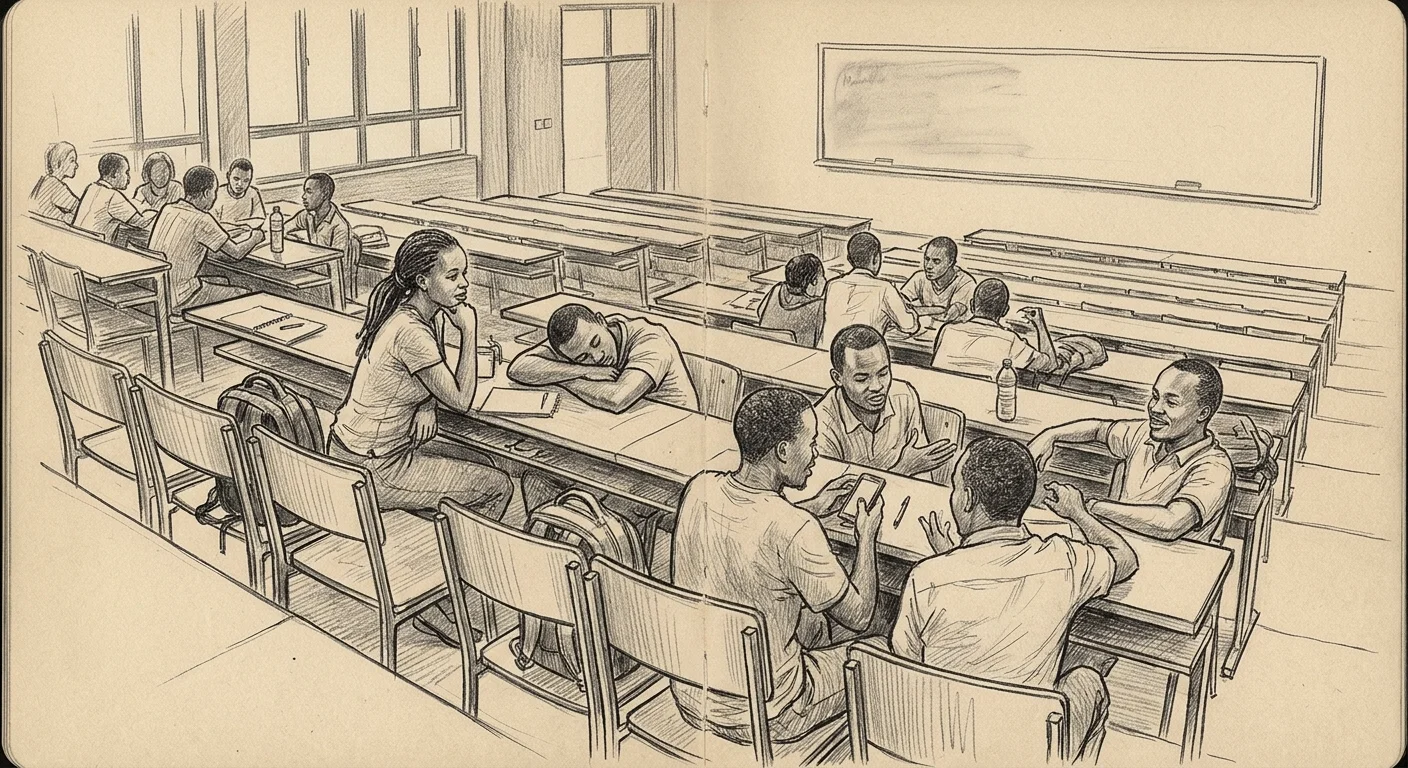
That pattern costs students who have no control over the negotiations. University of Nairobi students have protested against the disruption, while students across public universities face uncertainty over teaching schedules, examinations and graduation dates.
Consequences vary: programmes with tightly sequenced practical requirements, such as medicine, may find it harder to recover lost learning time than courses that can rearrange teaching. Families also face costs beyond fees, including accommodation, transport, and extended study.
The government and university management must be judged not only by the settlement, but by how long it took, the reliability of funding and protections against repeated student disruption. Resuming classes ends the immediate crisis, but it does not address the structural weaknesses that enabled another prolonged strike.
When Essential Health Services Remain Disrupted
The public health officers’ strike is another serious test of the state’s ability to maintain essential services. On October 21, the Kenya Environmental Health and Public Health Practitioners Union demonstrated in Nairobi, 92 days into its nationwide strike. It cited unresolved employment terms, a collective bargaining agreement and the need to recruit more officers.
Though less visible than hospital care, public health officers help prevent illness and protect communities through environmental inspections, sanitation oversight, food safety, and disease prevention. Staffing and service disruptions can undermine this preventive work when consistent oversight is most needed.
A strike’s duration alone doesn’t prove that all services have stopped or that an outbreak has occurred. Assessing its full impact requires evidence from affected counties, public health facilities and authorities. Still, a dispute lasting over three months raises legitimate questions: What contingency plans are in place? Which services are affected? Who ensures essential functions continue during negotiations?
It shows industrial action is not merely a human resources issue. When agencies fail to settle agreements, meet staffing needs or plan implementation, disruption can spread across the system. Citizens may not know who caused delays, but they feel the impact when public services falter.
Prolonged negotiations, disputed funding, and service disruptions show why public institutions must anticipate obligations and resolve disputes before they escalate.
Price Of Delay Extends Beyond Government
The clearest cost of a strike is interrupted services, but harder-to-capture costs in government statements or wage bills also matter.
Students lose teaching time and face uncertainty about academic progress, graduation and employment. Disrupted calendars may prolong the need for financial support from parents and guardians, and universities face planning challenges and added pressure on limited resources.
Communities reliant on public health services may experience gaps in preventive and environmental oversight; these should be measured, not assumed, and included in assessments of industrial disputes.
When agreements are repeatedly delayed, citizens may question whether institutions can meet commitments made in their name, thus eroding public confidence. Promised talks aren’t signed agreements; proposed allocations aren’t released funds; announced settlements don’t ensure institutions can restore services.
Accountability must be specific so the Ministry of Education, National Treasury, Salaries and Remuneration Commission, university councils and staff unions have distinct mandates. The record should determine responsibility for the impasse, rather than assigning blame indiscriminately.
In the public health dispute, ministries and employers must likewise explain outstanding issues, resolution efforts and plans to sustain services. Parliament’s role goes beyond calling for resolution, as it can scrutinise financial commitments, question those responsible for delays, and demand clear timelines for action.
The Executive must show how it will fund and implement agreements, rather than leaving institutions without reliable financial support. Unions must also explain their demands, negotiate in good faith, and consider how strikes affect people relying on public services.
Progress should be tracked in a public record listing each dispute’s outstanding commitments, responsible agency, required funding, deadline and proof of completion. This would discourage vague assurances and help the public distinguish genuine fiscal limits from administrative failure.
Measure Delivery In Services, Not Statements
Kenya has policies, public commitments and formal employment-negotiation procedures. The test is whether they prevent foreseeable disputes from causing prolonged service disruptions.
Judge the lecturers’ and public health officers’ strikes not just by workers’ return, but by whether underlying problems are resolved: funding negotiated obligations, timely implementation, adequate staffing, clear responsibilities, and early dispute resolution.
Fiscal discipline means assessing affordability and national priorities before committing public funds — and planning realistically. Unfunded agreements, broken commitments, and escalating disputes carry costs, even when they don’t appear in the budget.
Citizens, with little control over decisions that disrupt services, pay in lost time and money, uncertainty, and diminished trust. Ending strikes is urgent; preventing future ones means turning negotiated commitments into reliable services.