






Kenya’s digital space is poised for a significant shift following the enactment of the Computer Misuse and Cybercrimes (Amendment) Act, 2025, a law that expands the government’s powers to regulate online content and impose tougher penalties on cyber offenders.
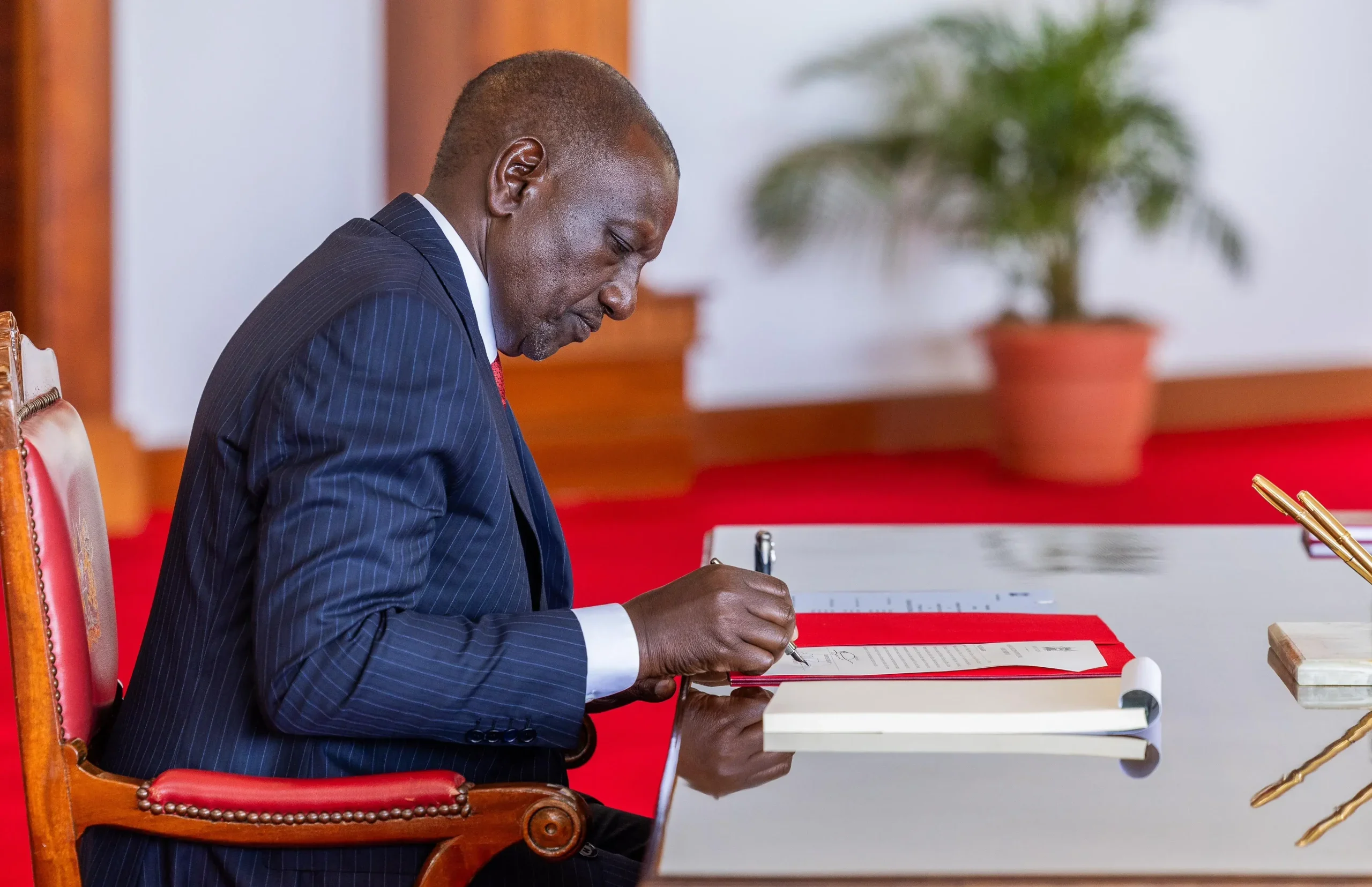
The amendments, assented to by President William Ruto on October 18, mark one of the most comprehensive updates to the 2018 law, reflecting the government’s growing concern over online crime, digital extremism, and misuse of emerging technologies.
But while the law strengthens tools for combating cyber threats, it also raises questions about its potential impact on freedom of expression and digital rights.
The amendments redefine key terms to capture the evolving nature of cyber activity.
“Cybercrime” now explicitly includes offences targeting networks, systems, data, and websites or those facilitated through information and communication technologies.
New definitions such as “computer misuse,” “virtual account,” and “identity theft” broaden the scope of what can be investigated and prosecuted.
This means that acts like unauthorised access, phishing, or misuse of digital identities could attract stricter legal consequences.
The inclusion of virtual assets and accounts acknowledges the growing use of digital wallets, cryptocurrency, and other virtual property, areas previously outside the full reach of Kenyan law.
State Power to Block Online Content
Perhaps the most consequential change lies in Section 6 of the amended law. The amendment empowers authorities to direct the blocking or takedown of websites and applications that “promote unlawful activities, inappropriate sexual content of a minor, terrorism, religious extremism or cultism.”
While the government argues that the move aims to protect minors and curb extremism, digital rights advocates warn that the clause could be used to arbitrarily restrict legitimate online expression or critical content.
The law does not clearly define what constitutes “unlawful activities” or “inappropriate content,” leaving wide discretion to enforcement agencies.
A newly introduced Section 46A gives courts authority to order the removal of digital content, closure of websites, or deactivation of digital devices used to commit offences.
In urgent cases, law enforcement agencies can apply to the courts to take down such material even before conviction.
This clause is likely to be used in cases involving online radicalisation, sexual exploitation, or cyberbullying.
However, it also signals a stronger judicial role in digital governance, an area where oversight and due process will be crucial to prevent abuse.
Other changes target harmful online behaviour.
Section 27 now includes penalties for digital harassment that leads or is “likely to cause a person to commit suicide,” an important step given the rise of cyberbullying and online shaming cases.
Similarly, Section 30 extends the definition of offensive or false messages to include not just texts, but also emails and calls, reflecting the multi-platform nature of modern communication.
Balancing Security and Digital Freedom
The 2025 amendments position Kenya among African countries tightening digital regulation amid growing cyber threats and misinformation. However, they revive the old tension between cybersecurity and freedom of expression.
Human rights groups have previously warned that Kenya’s cyber laws could be used to silence critics or journalists under the guise of combating “false information” or “unlawful content.”
Without clear procedural safeguards, the new powers to block or deactivate websites could easily be abused.
As Kenya’s online economy and political discourse continue to expand, the amended Act is likely to influence how citizens, companies, and the state interact in digital spaces.
On one hand, the reforms bring much-needed clarity and enforcement muscle against online fraud, terrorism, and child exploitation.
On the other, they underline the urgent need for transparent oversight mechanisms—especially around decisions to restrict access to online platforms.
Ultimately, the Computer Misuse and Cybercrimes (Amendment) Act, 2025 is a signal of Kenya’s intent to assert stronger digital sovereignty.
The challenge now will be to ensure that this power is used to secure the public good without undermining the country’s constitutional guarantees of free speech and privacy.