





Kenya’s upcoming election is taking shape against a problem that the arithmetic of political alliances alone cannot resolve. Confidence in the institutions and political actors expected to manage the country’s future has weakened, while demand for meaningful alternatives remains.
The opposition can point to dissatisfaction with the government’s record, but that dissatisfaction does not automatically confer legitimacy on those seeking to replace it.
Voters may want change without being convinced that the available alternatives understand the scale of the problems they would inherit.
Afrobarometer’s 2024 survey, published in September 2025, found that 45 per cent of Kenyans trusted the President, compared with 72 per cent in 2014. Trust in Parliament stood at 44 per cent, while 36 per cent expressed trust in the police and the electoral commission.
These figures measure confidence in institutions, not voting intentions, and should not be treated as a forecast of the 2027 result. Nevertheless, they describe a political environment where the credibility of public authority cannot be taken for granted.
Kenya’s political debate often treats opposition to the incumbent as evidence of support for whoever stands against him. It is not.
A voter can reject the government’s tax choices, question its handling of public finances or remain dissatisfied with the cost of living while also doubting whether the opposition has agreed on a workable alternative.
The ballot may offer a choice between competing political coalitions, but citizens judge those coalitions against their own experiences of work, healthcare, education, taxation, security and access to public services.
The Voter Paradox
The challenge for political parties is that declining trust does not necessarily produce withdrawal from politics. Kenyans can be deeply sceptical of leaders and still believe that elections matter, that political competition should remain open, and that power must be accountable.
Afrobarometer found that 77 per cent of Kenyans support regular, open and honest elections as the best way to choose political leaders, while 77 per cent said multiple political parties are needed to give voters real choices.
These findings show support for democratic competition, not automatic confidence in the competitors themselves.
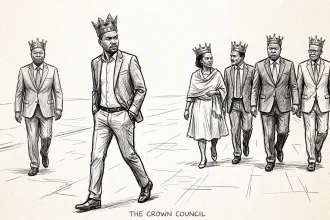
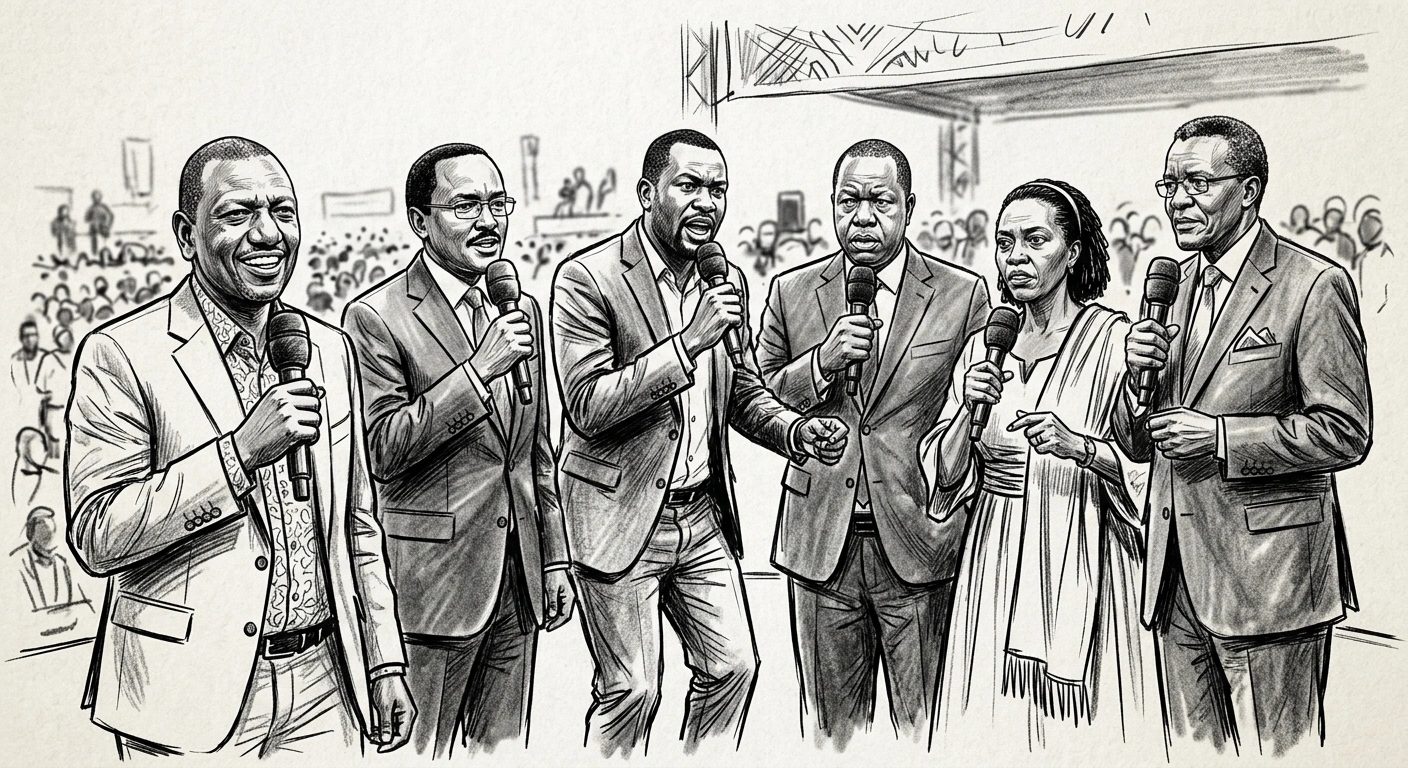
For a coalition seeking office, this creates a more demanding test than assembling prominent names or announcing a common opponent.
It must show voters that political coordination can become a governing programme, and that an agreement negotiated among party leaders can survive the distribution of offices, the pressure of public finance and the inevitable disagreements of an administration.
Three Tests Of Credibility
The first test is the coalition agreement. Voters should understand what the parties have agreed on beyond electoral cooperation, how they will reconcile competing priorities, and what mechanisms will resolve disputes.
A document that allocates positions without clarifying policy may satisfy political leaders’ immediate interests while leaving citizens uncertain about what their support would deliver.
The second is succession and power-sharing. Coalitions often postpone difficult questions about who makes decisions, how they handle disagreements, and what happens when partners’ interests diverge.
Yet these are not technical details to be resolved after an election. They determine whether the coalition can act coherently when confronted with a budget, a security crisis or an unpopular reform.
The third is policy consistency. Taxation, debt, devolution and public services are connected choices, not independent campaign slogans.
A coalition that promises lower taxes, higher spending, faster development and reduced borrowing must explain how these objectives can coexist, which commitments take priority and who bears the cost when they conflict.
Change ≠ replacement
The government, for its part, cannot treat the opposition’s organisational difficulties as a substitute for answering criticism of its own record. Public trust is not restored merely because challengers have failed to agree, just as dissatisfaction does not prove an alternative programme is sound. Both sides must make their commitments testable.
The electoral commission’s registration and turnout records will help establish the electorate’s size and participation, but those figures cannot explain what voters want or why they trust particular candidates. That requires evidence from credible, methodologically transparent surveys, alongside public statements, policy documents and the record of those seeking office.
This article relies on Afrobarometer’s 2024 survey, whose fieldwork ran from April 10 to May 3 among 2,400 adults. It measures confidence, not voting intentions, and the issue does not use polling that cannot show its fieldwork dates, sample, method, and sponsor.
The central test for 2027 is therefore not simply whether the opposition can unite or whether the incumbent can retain support. It is whether political actors can translate public dissatisfaction into a credible offer of government.
In a low-confidence environment, voters may be willing to consider change while remaining unconvinced by those promising it.
A coalition can organise a contest, but only a coherent programme and a credible record can give citizens reasons to believe that changing the people in office will change the way the country is governed.