




When Interior Cabinet Secretary Kipchumba Murkomen declared that the government was dismantling politically sponsored criminal goons, the statement reflected an increasingly familiar rhythm in Kenyan politics.
Every few years, usually after violence erupts on television screens or public outrage reaches a tipping point, the State promises to restore order. Police operations intensify. Hundreds are arrested. Weapons are seized. Politicians condemn “goons.” The cycle appears to reset.
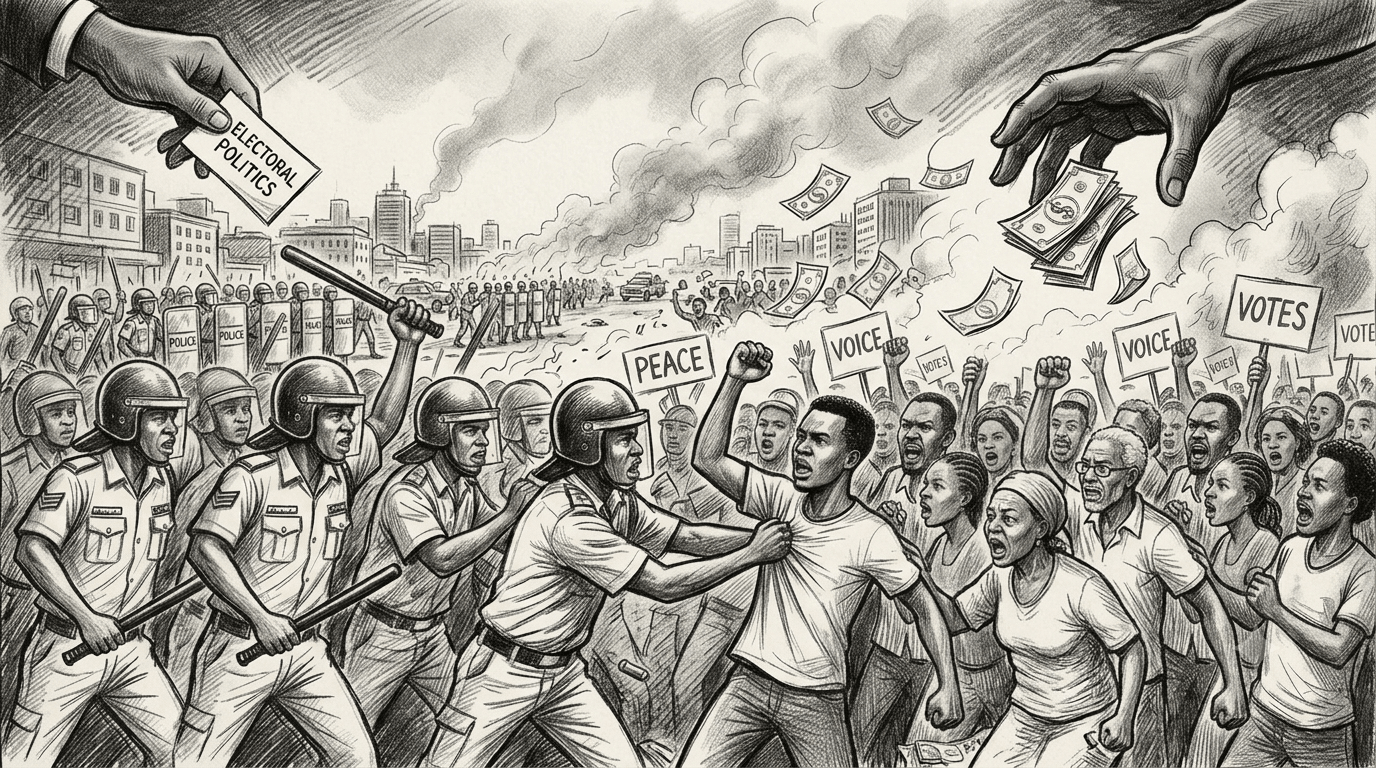
Yet by the next election, or sometimes the next major demonstration, a new generation of organised street gangs has emerged.
This is the paradox at the centre of Kenya’s politics. The country does not suffer from a shortage of crackdowns. It suffers from an abundance of incentives that reproduce the very violence those crackdowns are supposed to eliminate.
The uncomfortable truth is that Kenya’s goon economy is less a security failure than a functioning political marketplace. It operates because it satisfies demand.
It recruits because there is an abundant supply, and it survives because those with the power to dismantle it often benefit from its continued existence.
The men throwing stones on the streets are the most visible part of the enterprise. They are also the least important. The real story lies several layers above them.
Political Service
Political campaigns have changed dramatically over the past two decades. Mass party structures have weakened while grassroots ideological mobilisation has largely disappeared.
Political party membership cards now matter less than WhatsApp groups, and permanent political organisations have increasingly given way to temporary campaign machines assembled every electoral cycle. That transformation has created an entire informal industry around politics.
We have consultants organising rallies, digital influencers manufacturing narratives, transport contractors ferrying supporters, event companies building stages, and somewhere within this ecosystem are individuals whose job is to provide something less visible but often equally valuable: physical control of political space.
Sometimes that means filling rallies with cheering crowds, escorting politicians through hostile neighbourhoods, disrupting opponents’ meetings, and intimidating communities perceived to support rival candidates.
Sometimes it escalates into outright violence leading to death, injuries and destruction of property.
Viewed this way, organised political violence is not an aberration. It is another outsourced campaign service where the methods change, but the incentive structure does not.
Labour Market Nobody Talks About
Markets require supply, and Kenya has no shortage when it comes to goons and political violence. Nearly every conversation about politically organised violence eventually arrives at the same demographic reality: young men with limited economic opportunities.
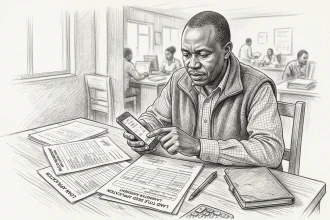
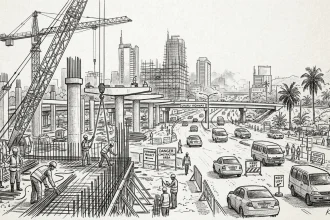
Across informal settlements and rapidly growing urban centres, thousands survive on casual work that disappears as quickly as it appears. Construction sites hire by the day, motorcycle transport is increasingly saturated, small businesses struggle, and formal employment remains elusive for many school leavers and graduates alike.
As a result, politics fills part of that vacuum where campaign seasons create temporary employment opportunities, unlike almost any other sector.
The Incentive Scorecard: Who currently has incentives to reduce political violence?
| Actor | Incentive to Stop Goons | Incentive to Use Goons |
|---|---|---|
| National Government | Medium | Medium |
| County Governments | High | Low – Medium |
| Political Parties | Low | High |
| Police | Medium | Low |
| IEBC | High | Low |
| Youth | High | Low (if alternative livelihoods exist) |
| Financiers | Very Low | High |
So we see crowds hired, marches organised, posters are distributed, online accounts sought to amplify messaging, security is provided, and opponents are heckled. Sometimes violence becomes another line item within the campaign budget.
This should not be read as a moral defence of those who participate. It is an economic explanation, as people generally respond to incentives which the politics supply.
When a day’s mobilisation pays more than a week’s casual labour, recruitment becomes remarkably easy. That is why every election appears to produce new faces rather than exhausting the old ones, and the labour pool constantly replenishes itself.
Arresting Workers While Ignoring Employers
Government responses overwhelmingly target the visible end of the chain. At every cycle, police arrest young men carrying clubs, weapons are confiscated, videos circulate showing suspects lying face down on roads and press conferences announce victories.
These operations are necessary because in any civilised society, violent crime deserves enforcement. But these operations rarely answer the more important question: Who paid them?
Political violence is one of the few organised enterprises where investigators often stop at the employee. This is akin to dismantling organised fraud by arresting only bank clerks or fighting illegal mining by prosecuting only truck drivers.
This is often how Kenya approaches political violence, where the financiers remain elusive, and the organisers disappear. The political violence procurement chain receives remarkably little sustained scrutiny.
Without disrupting financing, enforcement merely raises the operating costs of recruitment for a few weeks before the market adjusts.
The State’s Contradiction
This creates an institutional contradiction that no administration has fully resolved. The State has an obvious interest in maintaining public order. Political actors, however, often compete within a system that rewards demonstrations of physical dominance, numerical strength and territorial control.
These incentives do not always align, and successive election cycles have produced allegations, sometimes investigated, often disputed, of politicians sponsoring gangs, local power brokers mobilising youth groups, and security agencies failing to intervene decisively during politically charged confrontations.
In some widely reported incidents, observers have questioned whether police response was delayed, selective, or appeared to coexist uneasily with armed civilian groups. Such episodes have fuelled public perceptions of impunity even where legal accountability has been limited.
The point is not that every politician recruits goons or that every police officer tolerates them. The point is that the political system has repeatedly struggled to impose meaningful costs on those who organise and finance violence. As long as those costs remain low, the market persists.
Interestingly, the most promising interventions have not primarily come from dramatic national security operations.
They have emerged, unevenly, at the county level. Several county governments have expanded CCTV networks, formalised boda boda operations, strengthened community policing structures and invested in youth employment initiatives designed to reduce recruitment into criminal networks.
None of these programmes eliminates political violence, but they attack something national crackdowns often ignore: the supply chain. Every young person earning a stable income represents one less recruit available to political entrepreneurs.
Every transparent licensing system weakens criminal intermediaries, and a functioning local institution raises the transaction costs of organising violence. But these are incremental changes, and markets respond to incremental incentives.
Before 2027
Kenya has less than a year before the country enters the most politically intense phase of the next general election.
The temptation will be to repeat familiar tactics; more police deployments, more arrests, more declarations that criminal gangs have been defeated, despite history suggesting that will not be enough.
Political violence survives because it is economically rational for those who fund it and financially attractive for those who participate in it.
Breaking that cycle requires making sponsorship more expensive than recruitment. That means following campaign money, investigating financiers and strengthening election offence prosecutions.