



Download Your Copy: The Chronicle Weekly July 20, 2026
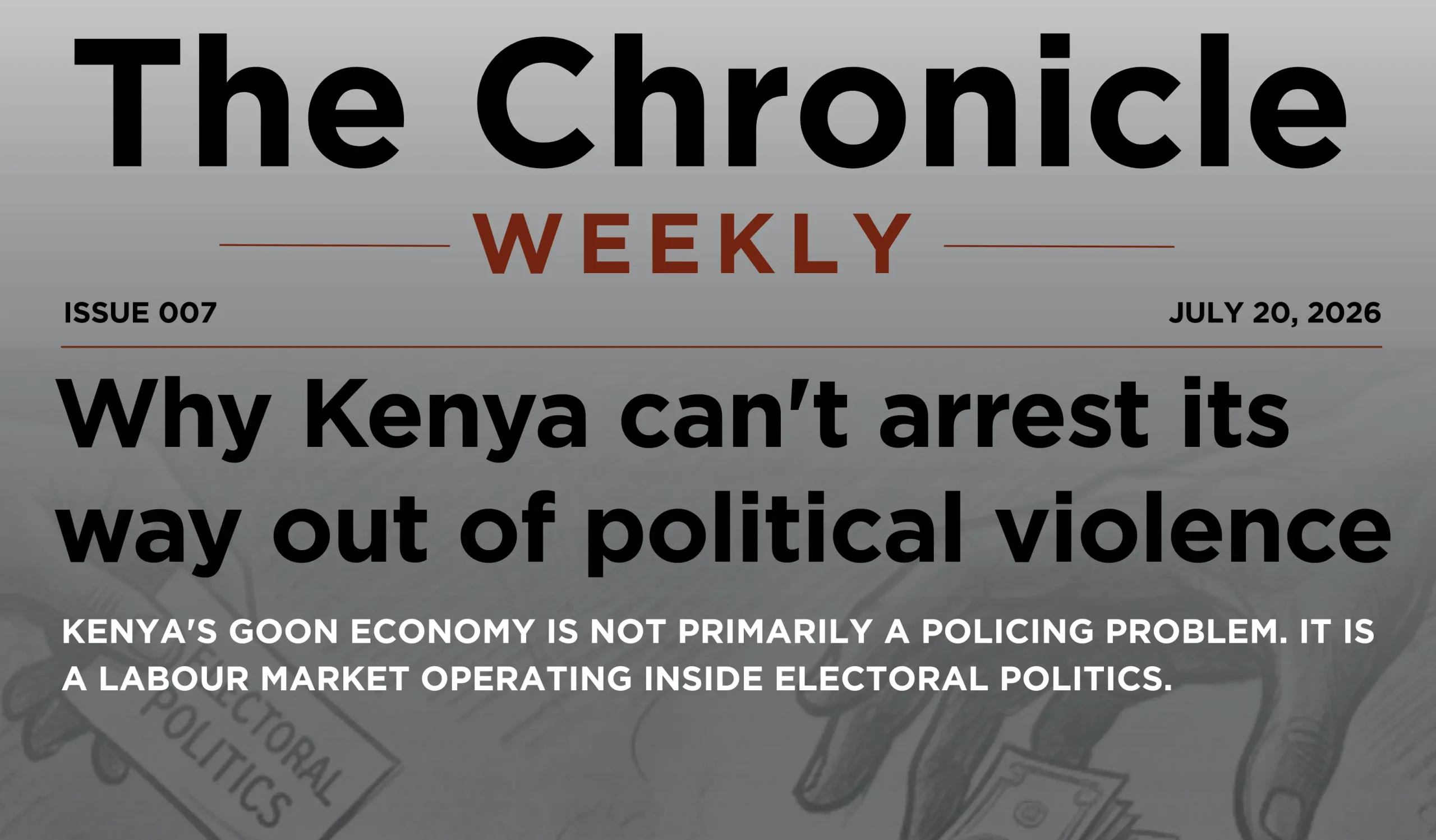
This week, The Chronicle Weekly leads with a question the government would rather we didn’t ask: not “how do we stop the goons,” but “who is paying them, and why does no administration ever find out?”
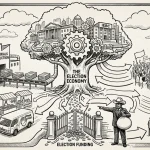
Our cover story argues that Kenya’s political violence is not a security failure but a functioning labour market, one that recruits easily because it pays better than casual work, and survives because the people with the power to shut it down often have no incentive to. Every crackdown arrests the workers. Almost none touch the employers. That asymmetry is not an accident. It is the story.
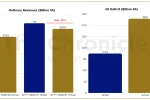
It felt right to run that piece alongside two others that, on the surface, look unrelated. Our data story on the 2027 electoral map shows registration numbers redrawing where political power will actually be contested, Nairobi, Kiambu, an emerging swing corridor most campaigns haven’t started paying attention to yet.
And our Politics feature on Ol Kalou asks why a single parliamentary by-election, in a constituency of fewer than 100,000 voters, drew Cabinet Secretaries, live national television coverage and the full weight of two rival camps.
The connection is not incidental. As by-elections turn into proxy wars for 2027 and swing counties multiply, the incentive to control physical space through mobilisation, intimidation and street muscle, rather than argument, will only grow. Goonism, the permanent campaign and the shifting electoral map are not three separate stories. They are one story about how power is being contested in Kenya right now, years before anyone actually votes.
Elsewhere in this issue, we turn to a quieter but related theme: who builds things, and who gets to claim them. In Business, we look at a shift already reshaping the digital economy, platforms starting to reward originality over recycled content, and what it might mean for a Kenyan creator economy still largely built on aggregation.
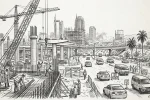
Our Life & Culture desk asks why Kenyan fashion, despite genuine talent, still hasn’t broken onto the global stages that Nigerian and South African designers now treat as routine. And in Sports, as Talanta Sports City rises and Kasarani is rebuilt ahead of AFCON 2027, we ask the harder question hiding behind the ribbon-cuttings: are we building stadiums, or an industry that can sustain them once the tournament ends?
The thread running through all five is the same one that runs through most of what we publish: power and infrastructure; political, physical, digital, and institutional are easy to claim and hard to hold accountable. Rallies get staged. Concrete gets poured. Credit gets claimed. The harder work, of following the money and the incentives, gets left for later.
We’d rather do it now.
– Kenya Daily Chronicle Team