

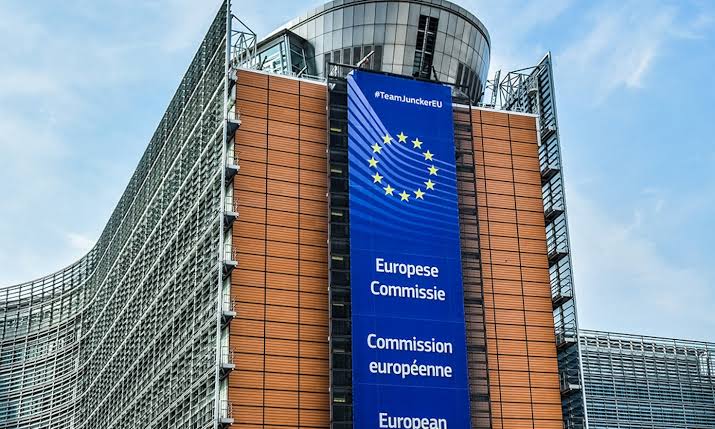
The European Commission has updated its list of high-risk third-country jurisdictions, adding Kenya alongside nations like Algeria, Angola, and Venezuela.
The designation, driven by strategic deficiencies in Kenya’s anti-money laundering (AML) and counter-terrorism financing (CTF) regimes, marks a critical juncture for a nation long seen as East Africa’s economic powerhouse.
As the decision takes effect following EU parliamentary scrutiny, it contrasts sharply with the delisting of neighboring Uganda, raising questions about governance, corruption, and the country’s international reputation.
Amid this international scrutiny, President William Ruto’s recent actions regarding related legislation add a layer of complexity to Kenya’s ongoing financial reform saga.
The European Commission’s move aligns with the findings of the Financial Action Task Force (FATF), which in its 2022 Mutual Evaluation Report flagged Kenya for technical compliance gaps despite some progress.
Kenya’s inclusion on the EU’s high-risk list, effective after a one-month scrutiny period (extendable by another month), mandates enhanced vigilance from EU financial entities in transactions involving the country.
Regional Disparities and Global Implications
The delisting of Uganda, alongside countries like Barbados and the Philippines, paints a mixed picture for East Africa.
While Uganda’s removal suggests successful reforms, Kenya’s addition hints at a regional divergence in tackling financial crime.
Nairobi, increasingly dubbed a hub for warlords, drug dealers, and human traffickers on online platforms, may be bearing the brunt of these systemic issues.
The immediate economic impact could be severe. Kenya’s grey-listing by FATF in February 2024 has already led to a drop in cross-border liabilities, signaling potential losses in foreign aid and investment.
The EU’s latest move could exacerbate this, with heightened compliance costs for Kenyan businesses and financial institutions.
Diplomatically, the decision tarnishes Kenya’s image as a reliable regional partner.
President Ruto’s Legislative Reversal and Current Status
President William Ruto, who had previously signed the Anti-Money Laundering and Combating of Terrorism Financing Laws (Amendment) Bill, 2023, into law on September 1, 2023, returned related legislation to Parliament on May 15, 2025.
This move came amid mounting pressure from both domestic critics and international bodies like the FATF, which had urged Kenya to address persistent deficiencies.
The returned bills, including amendments to the Proceeds of Crime and Anti-Money Laundering Act and related financial oversight frameworks, were sent back with recommendations for revisions to strengthen enforcement mechanisms and align more closely with FATF standards.
On June 5, 2025, the National Assembly’s Finance and National Planning Committee held public hearings, where stakeholders, including the Central Bank of Kenya (CBK) and the Insurance Regulatory Authority, proposed enhanced supervisory powers and stricter penalties for non-compliance.
The National Assembly passed the amendments in the President’s memorandum and the Bills are now in the Senate.
However, progress has been slow, with lawmakers debating the economic implications of tighter regulations versus the need to exit the EU and FATF grey lists.
This legislative delay coincides with the EU’s announcement, amplifying concerns that Kenya’s failure to act swiftly could deepen its financial isolation.
The 2023 amendments, which empowered agencies like the CBK and Capital Markets Authority to enforce AML/CTF compliance, were seen as a step forward, but Ruto’s return of the bills suggests recognition of their inadequacy—a move that some analysts view as a belated attempt to salvage Kenya’s international standing.
The EU’s updated list, rooted in Article 9 of the 4th Anti-Money Laundering Directive, underscores the need for Kenya to align with global standards.
Collaborative efforts with government agencies, civil society, and international partners, as suggested by Global Financial Integrity, could restore confidence.
However, with corruption and weak enforcement cited as root causes—evidenced by UNODC’s 2025 reports on crime and mineral demand—the road ahead is steep.
The ongoing legislative process offers a window for reform, but time is running out as the global financial system watches.