

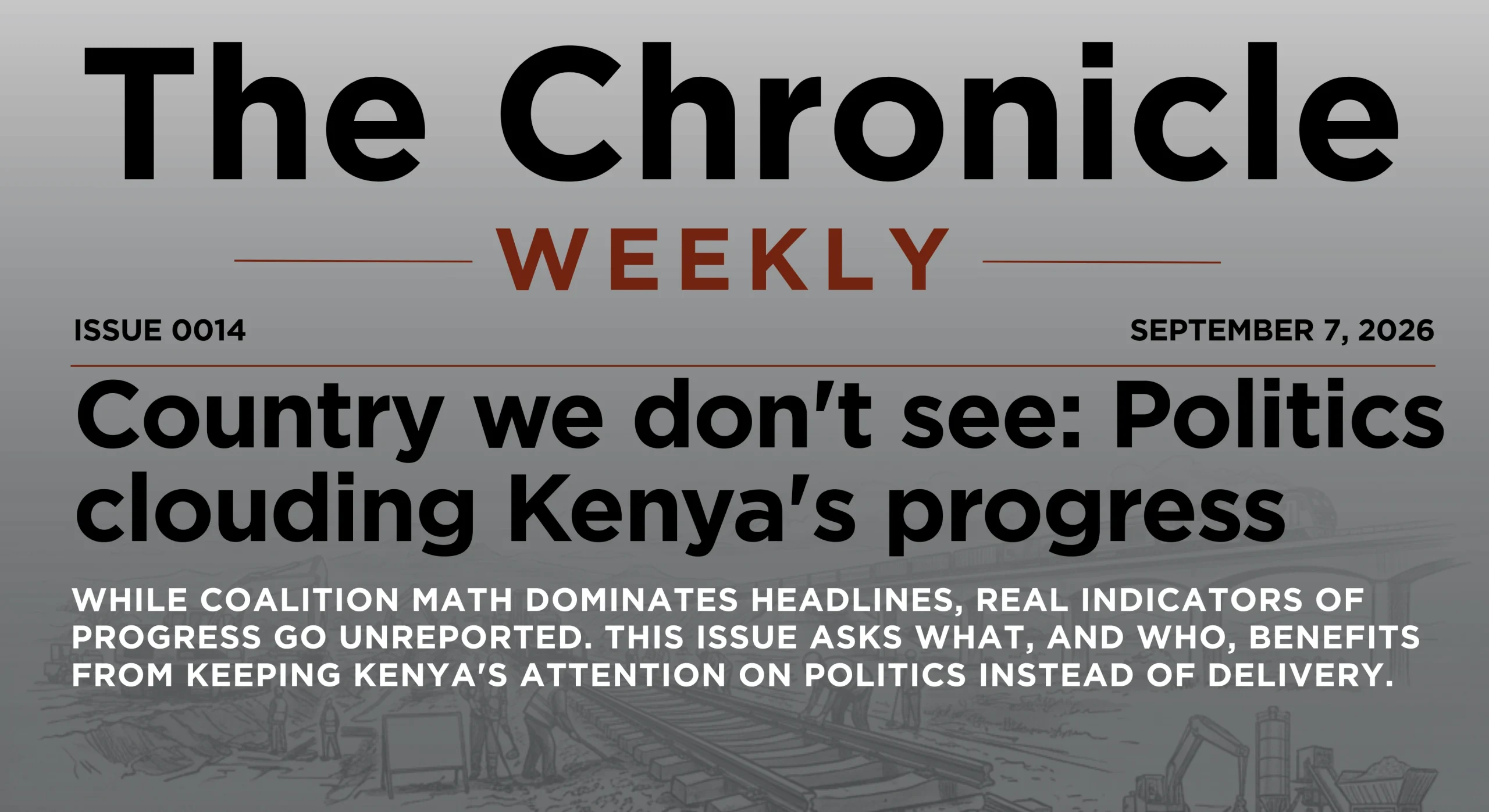
Download Your Copy: The Chronicle Weekly September 7, 2026
Kenya is building two things at once this year, and only one of them is in the news.
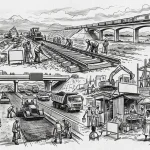
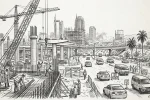
The first is a railway pushing deep into Western Kenya and a rebuilt highway climbing out of the Rift Valley, roughly a trillion shillings in transport infrastructure, financed through mechanisms designed explicitly to avoid the debt arguments that shadowed the last SGR.
The second is a campaign. President Ruto launched the Naivasha–Kisumu line from Kibos, in the heart of a region his coalition has never comfortably won, sixteen months before an election. Every ribbon-cutting since has done double duty, but the opposition has been poking holes in all this even as its primary focus remains a coalition that it says will deny Ruto’s administration a second term.
This issue is an attempt to separate those two projects, because Kenya has gotten very good at collapsing them into one conversation, and the collapse costs something.
When a road becomes a referendum on the president before it becomes a freight corridor, the question that actually determines whether the money was well spent – will this make it cheaper to move a sack of maize from Kericho to Nairobi – gets asked last, and usually years after the answer would have been useful.
We don’t think that’s simply politics being politics. Our Governance piece this week makes the harder argument: with trust in government sitting near record lows and seven in ten Kenyans saying tenders are rigged for the connected, asking “who benefits” before asking “does it work” isn’t cynicism.
That’s a genuine bind for a publication trying to have an economic conversation, and we don’t think it resolves itself. It has to be built against the data, not assumed on top of it.
So this issue tries to hold both registers open at once. The cover story and its companion piece on the Rironi–Mau Summit road look at what’s actually being built – the engineering, the financing, the Naivasha SEZ’s bet on becoming an industrial cluster rather than a logistics layover.
The Data Story maps the corridor county by county. Politics traces how explicitly the 2027 campaign has already absorbed the language of development.
Economy and Business ask the question we think matters most and gets asked least: whether cheaper movement actually changes what Western Kenya produces and captures, or just how fast it can be shipped out.
And Life & Culture brings it down to the register that outlasts all of the above: whether a Nairobi–Kisumu trip costs the same the week before Christmas as it does in June.
None of this is a verdict. The railway isn’t finished. The road is barely a third built. What we’re arguing is narrower: that the years between groundbreaking and commissioning are exactly the years Kenya stops paying attention, and exactly the years the real economic case gets made or lost.
We would rather be watching now.