



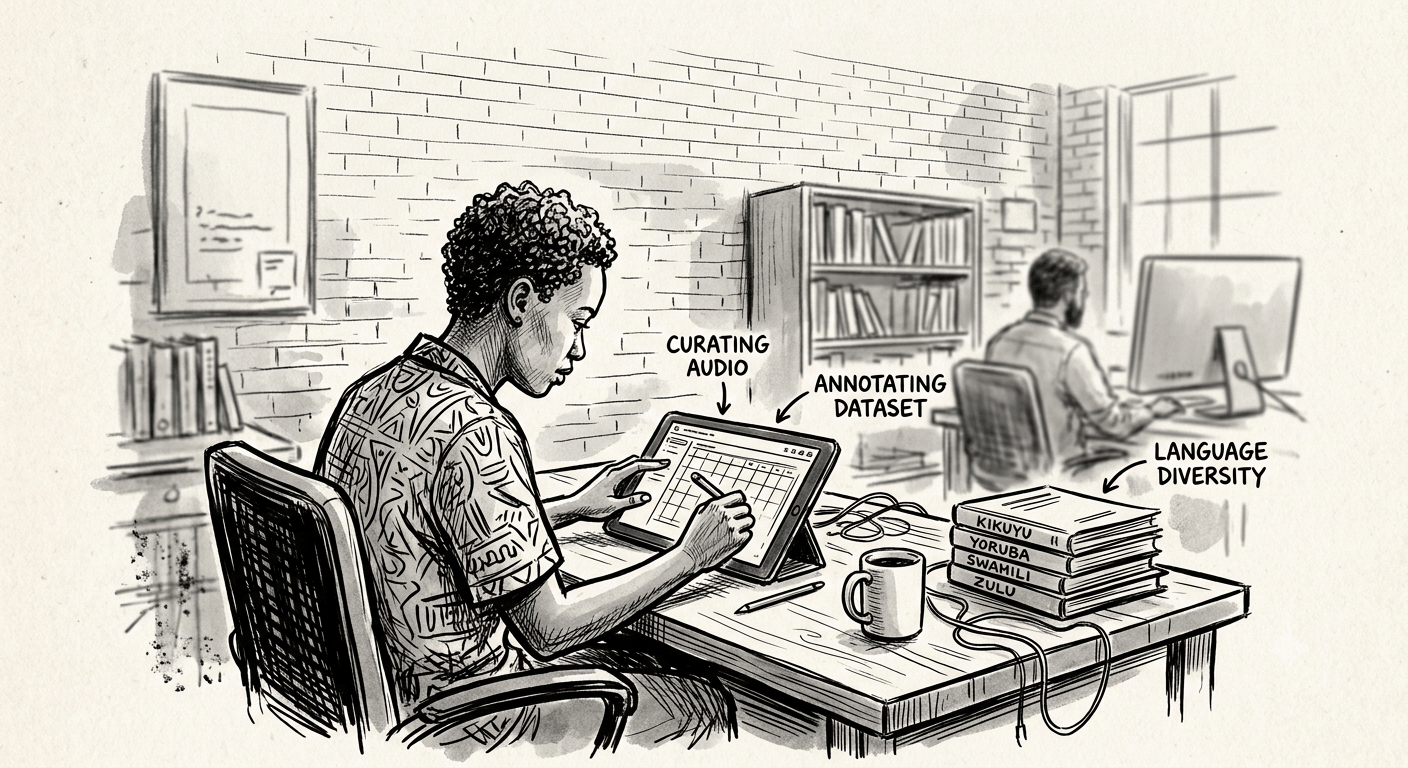
Language is the ultimate gatekeeper of culture, but technology is rapidly changing the rules around who gets to pass through. Duka Labs is developing the foundational AI infrastructure that could make such inclusion the norm.
For too long, African users have been forced into a ‘translator’ mindset, where they speak in their native language but wait for the AI to convert it to English before the system can understand them. Duka Labs is reversing this.
Their goal is to provide native access to information, education and economic opportunities. This means that an aspiring entrepreneur can write a business proposal in Hausa, Kiswahili, or Kinyarwanda and use an AI assistant to help them structure it, without ever leaving their linguistic comfort zone.
It means a university student can query a research database in their own language and receive synthesised complex data back in a familiar dialect. This suggests that your native language is not a barrier to entry into the digital economy, but rather your greatest asset.
Innovative Technical Approaches
By developing specialised Large Language Models (LLMs) and speech systems, Duka Labs is creating AI that understands African languages.
They have optimised their inference to operate in under 100 milliseconds. That’s faster than a heartbeat, ensuring conversations with digital assistants feel natural and not clunky.
Their speech recognition system remains undaunted by heavy accents or tonal shifts, which most LLM from the global North struggle with.
Imagine a farmer in rural Kenya using a voice assistant to check market prices in their own language, even without a stable internet connection. This is possible thanks to Duka Labs’ focus on low-bandwidth and offline processing, which ensures their technology works where it is needed most.
It’s the digital equivalent of a seasoned interpreter who understands not just the words, but also the context. Adding to this is TV5MONDE, which already provides subtitles for its programmes in 12 languages, but Kiswahili had never been included. BIVARIANT, a French-Beninese company, built its own translation models from scratch. They trained these models using specifically collected, digitised data processed through artificial intelligence designed to understand the nuances of Kiswahili.
Now, hundreds of films, series, documentaries and entertainment programmes are available completely free of charge to more than 200 million Kiswahili speakers across East Africa and beyond. Viewers no longer have to navigate foreign languages to access the world’s cultural riches.
This is a significant step forward for linguistic equity, actively challenging English dominance by integrating African languages into global digital databases.
This moment was formally recognised on July 6, 2026, when TV5MONDE presented the innovation at the UNESCO headquarters in Paris as part of the official World Kiswahili Language Day celebrations.