






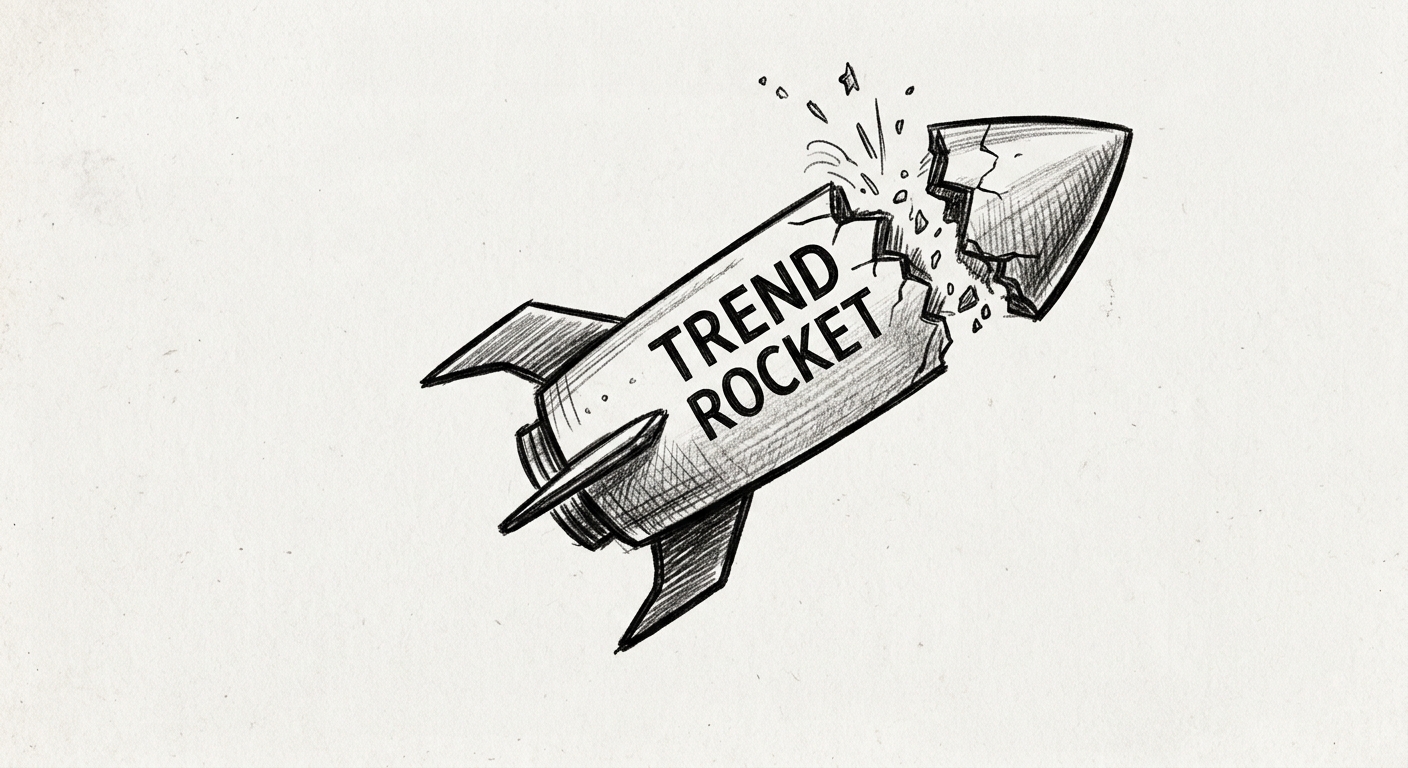
For years, success on social media appeared deceptively simple: find a trending video, repost it with a provocative caption and wait for the algorithm to do the rest. Entire businesses were built around this formula.
Facebook pages accumulated millions of followers by reposting news clips. X accounts monetised viral videos they did not create. TikTok creators stitched together content from elsewhere.
YouTube channels repackaged other people’s work with minimal edits. The internet rewarded speed over originality, but that incentive structure is now changing.
Platforms including X, YouTube and TikTok are increasingly penalising duplicated content, limiting monetisation for engagement bait and prioritising creators who publish original work.
Their motivation is commercial rather than moral. Artificial intelligence has made copying effortless, flooding feeds with low-value content and making it harder for users to find material worth returning for.
Download Your Copy: The Chronicle Weekly July 20, 2026
And now the age of easy virality is giving way to the age of digital ownership. For Kenya’s rapidly expanding creator economy, that shift could be as significant as the introduction of monetisation itself.
A decade ago, producing a news bulletin or entertainment programme required studios, transmitters and sizeable budgets. Today, anyone with a mobile phone can livestream to thousands of people.
That transformation has produced a vibrant digital economy. Independent journalists, comedians, educators, podcasters and commentators have built loyal audiences outside traditional media.
Some earn advertising revenue, others rely on subscriptions, sponsorships or direct audience support. But it has also blurred the line between creation and aggregation. Many of the most-followed pages on Kenyan social media do not produce original reporting.
They curate, repost and remix work created elsewhere, and the model has worked because algorithms rewarded engagement, not authorship.
Why Platforms Are Changing
The internet is suffering from a problem of abundance. Artificial intelligence has made it possible to generate thousands of images, videos and articles in minutes.
Automated accounts amplify content at unprecedented speed. Recycled posts often outperform original reporting because they require less investment and are optimised for engagement.
For platforms, this creates a paradox. Users spend more time scrolling, but trust declines. Advertisers become wary of low-quality environments. Distinguishing genuine creators from opportunistic aggregators becomes increasingly difficult.
Not because platforms have suddenly become defenders of intellectual property, but because their long-term business depends on users believing they will discover something new each time they log in.
Kenya’s content creators, especially newsrooms, face an uncomfortable adjustment. For years, traffic strategies rewarded volume. Publish quickly, optimise headlines, push aggressively on social media and chase trends before competitors. That approach delivered clicks but often weakened distinctive, authentic content.
If platforms increasingly reward originality, news organisations may find that their competitive advantage lies not in publishing first, but in producing reporting that cannot easily be replicated.
Exclusive investigations, data journalism, visual storytelling and expert analysis are harder to copy than breaking news alerts. Ironically, the algorithm may now be pushing content creation back towards its traditional strengths.
The same shift applies to independent creators. The first generation of influencers built audiences through personality and consistency, and the next generation may need to build intellectual property. This will come in the form of newsletters, courses, podcasts, documentaries, and original research.
Beyond Followers
Followers alone are becoming less valuable than loyal audiences, and creators are increasingly resembling entrepreneurs rather than entertainers. The obsession with follower counts has long distorted digital success.
Brands sought creators with the largest audiences, even when engagement was weak. Politicians measured influence by trending hashtags. Businesses celebrated viral moments that produced little commercial value.
The next phase of the digital economy may reward something more durable: trust. This is because trust encourages subscriptions, attracts sponsorships, sustains communities through changing algorithms and cannot be manufactured overnight.
Artificial intelligence accelerates this transition. If anyone can generate a convincing article, image or video in seconds, originality becomes more valuable.
Creators who consistently demonstrate expertise, distinctive perspectives and transparent sourcing will become more valuable than those who simply publish the most material. In that sense, AI may strengthen rather than weaken the importance of human creativity.
Kenya enters this transition with the advantages of a young digital population and high mobile internet penetration. The country has developed one of Africa’s most dynamic online creator communities, and the question is whether those creators evolve from chasing algorithms to building businesses.
Those who own audiences rather than rent them from platforms are likely to prove more resilient. The internet is not abandoning virality because people will always share compelling stories.
The economics of virality are changing; clicks alone no longer guarantee revenue, and reach alone no longer guarantees influence. The platforms themselves have realised that a healthier ecosystem requires rewarding those who invest in creating something genuinely new.
That is good news for journalism, serious creators and audiences, but less welcome for those who built businesses on copying others’ work.